Choosing a flat roofing system for commercial and industrial buildings is a significant financial decision that extends far beyond the initial installation price. This comprehensive report delves into the lifecycle cost benefits of Polyvinyl Chloride (PVC) single-ply flat roofing, meticulously comparing its performance, durability, and financial implications against conventional alternatives such as Ethylene Propylene Diene Monomer (EPDM), Thermoplastic Polyolefin (TPO), modified bitumen (mod-bit), and built-up roofing (BUR). Our analysis reveals that while PVC may present a higher upfront cost, its superior longevity, drastically reduced maintenance, and substantial energy efficiency advantages position it as the most economically prudent choice for long-term building asset management.
The core finding synthesized from extensive data, market trends, and real-world case studies is that PVC single-ply roofing consistently demonstrates the lowest total cost of ownership over its entire service life.
This undeniable financial advantage is predominantly driven by its extended lifespan, exceptional resistance to environmental stressors, minimal repair requirements, and significant energy savings attributed to its reflective 'cool roof' properties. For building owners and facilities managers seeking to optimize their investments and minimize operational expenditures, PVC roofing offers a compelling value proposition that transcends initial budget considerations.
Key Takeaways
- Superior Longevity: PVC roofs boast an industry-leading lifespan of 20-30+ years, significantly reducing the frequency and cost of roof replacements compared to alternatives.
- Lowest Total Cost of Ownership: Despite higher initial costs (typically £5-13/sq ft), PVC consistently delivers the lowest lifecycle cost, with one study showing less than half the total cost of asphalt over 20 years.
- Significant Energy Savings: Reflective white PVC surfaces can cut cooling energy consumption by 10-30% annually, leading to 15-20% lower electricity bills in hot climates.
- Minimal Maintenance & Repair: Heat-welded seams and high durability virtually eliminate leaks and reduce maintenance, saving thousands compared to systems like EPDM which require frequent seam repairs.
- High Durability: PVC exhibits exceptional resistance to UV, chemicals, and punctures, ensuring long-term performance and minimizing vulnerability to costly damage.
- Accelerated Payback: Energy savings and reduced maintenance can rapidly offset the initial cost premium, often supported by available cool roof incentives and rebates.
1. Executive Summary
The selection of a flat roofing system for commercial and industrial structures represents a critical investment decision, one that extends far beyond initial procurement costs. This Executive Summary provides a comprehensive overview of the lifecycle cost benefits associated with Polyvinyl Chloride (PVC) single-ply flat roofing, contrasting its performance and financial implications with traditional flat roofing alternatives such as Ethylene Propylene Diene Monomer (EPDM), Thermoplastic Polyolefin (TPO), modified bitumen (mod-bit), and built-up roofing (BUR). The analysis highlights PVC's superior longevity, significant long-term cost savings through reduced maintenance and fewer replacements, and profound energy efficiency advantages, making it an economically prudent choice for discerning building owners and facilities managers.
The core finding is that despite a typically higher upfront installation cost, PVC single-ply roofing consistently demonstrates the lowest total cost of ownership over its service life. This is primarily attributed to its extended lifespan, exceptional durability, minimal maintenance requirements, and substantial energy savings derived from its reflective properties. This section synthesizes key data points, market trends, and real-world case studies to underscore PVC's compelling value proposition in the lifecycle management of commercial roofing assets.
1.1. Superior Longevity and Durability: Reducing Costly Replacements
One of the most significant factors contributing to the cost-effectiveness of PVC single-ply roofing is its remarkable longevity. With proper maintenance, PVC roofs typically deliver a service life of approximately 20 to 30 years, and in many instances, can exceed these estimates, lasting well over 30 years. This extensive lifespan meets or surpasses that of most traditional flat roofing alternatives. For context, EPDM systems generally average 20 to 25 years, while TPO roofs typically last around 15 to 25 years]. Built-up asphalt roofs, while potentially lasting 20-40 years, often require diligent, and sometimes costly, maintenance to achieve this maximum longevity.
The robust construction of PVC membranes is a key differentiator. They are engineered for exceptional resistance to UV radiation, chemical exposure, and temperature fluctuations. This inherent resilience prevents premature degradation, which is a common failure point in alternative systems. Crucially, PVC membranes are installed using heat-welded seams, a method that fuses the individual sheets into a single, monolithic, watertight membrane. These welds are often as strong as the membrane itself, virtually eliminating the primary cause of leaks in many other roofing types, such as the adhesive-dependent seams found in EPDM systems. The durability against environmental stressors means fewer vulnerabilities, translating directly into fewer repairs and a significantly longer interval between complete roof replacements.
The impact of this extended lifespan on lifecycle costs is profound. Fewer replacements over the operational life of a building mean substantial savings on materials, labor, and associated disposal costs. For example, a PVC roof with a 30-year lifespan could outlast two cycles of a 15-year alternative. This reduction in the frequency of expensive re-roofing projects provides long-term financial stability and minimizes operational disruptions for facility owners.
1.2. Lower Lifetime Cost: A Strategic Investment
While the initial outlay for a PVC single-ply roof might be higher than for some competing systems, the overall lifecycle cost analysis reveals a compelling economic advantage for PVC. A detailed 20-year analysis cited demonstrated that a white PVC roof’s total cost was £35,835 which was less than half the £88,604 total cost for a comparable asphalt roof. This stark difference highlights that focusing solely on upfront pricing can be misleading.
When examined on an annualized basis, the cost benefits of PVC become even clearer. For instance, a PVC roof on a 1,600 square foot building approximated an annual service cost of £301 (assuming a 30-year lifespan), whereas an EPDM roof for the same size building costs approximately £366 per year. This represents a 21% higher annualized cost for EPDM, primarily due to its shorter typical lifespan (15-20 years) and the necessity for interim repairs. The perspective of annualized cost per year of service provides a more pragmatic financial metric for evaluating roofing investments, underscoring PVC's superior long-term value.
The higher upfront cost of installed PVC roofs, typically ranging from £5 to £10 per square foot in 2025 (compared to £4–£8 for TPO and £3–£6 for EPDM), represents a 10-40% premium. However, this premium is generally recouped through a combination of fewer repairs, longer service life, and significant energy efficiency gains over the operational lifespan of the roof.
The following table summarizes key cost comparisons:
| Roofing System | Installed Cost (2025, per sq ft) | Typical Lifespan | Annualized Cost (Example 1,600 sq ft) |
|---|---|---|---|
| PVC Single-Ply | £5 - £10 | 20 - 30 years | ~£301 |
| TPO Single-Ply | £4 - £8 | 15 - 25 years | N/A |
| EPDM Single-Ply | £3 - £6 | 20 - 25 years | ~£366 |
| Built-Up Asphalt | £4.23 - £6.54 | 20 - 40 years (with diligent maint.) | N/A |
1.3. Significant Energy Efficiency Savings: The Cool Roof Advantage
PVC’s white, reflective surface is a potent tool for reducing building energy consumption, particularly in warm climates. Unlike dark-colored traditional roofs that absorb vast amounts of solar radiation and can reach temperatures of 66–85 °C in direct summer sun, a reflective PVC roof actively bounces sunlight away. This keeps the roof surface approximately 28 °C cooler than a dark roof. A cooler roof directly translates to less heat transfer into the building, significantly lowering the demand on air conditioning systems.
This "cool roof" effect can yield substantial cooling energy savings, typically ranging from 10–30% annually depending on climate and building characteristics. Real-world applications have demonstrated these savings vividly: some facilities have seen electricity bills decrease by 15–20% in hot climates. For example, a case study from California noted a nearly 20% reduction in electricity consumption after replacing a dark, 150°F roof with a white PVC roof that maintained temperatures around 90°F.
Beyond direct utility bill reductions, the cooler roof surface alleviates strain on HVAC equipment. This decreased load can potentially allow for the downsizing of cooling equipment by 10–15% in new constructions or extend the lifespan of existing units due to less frequent cycling. These indirect benefits further enhance the lifecycle economic profile of PVC roofing. In addition, many localities and utilities offer incentives and rebates ranging from £0.38–£1.54 per square foot for installing cool, reflective roofs, which can further accelerate the payback period for the initial investment. For instance, California's Cool Roof program in the early 2000s offered £0.12–£0.15/ft² rebates, with businesses like Walmart receiving £20,302 per store for upgrades.
1.4. Minimal Maintenance and Repairs: Reducing Operational Overheads
The construction and inherent properties of PVC membranes translate directly into significantly lower maintenance and repair costs compared to traditional flat roofing systems. The heat-welded seams of PVC virtually eliminate the notorious problem of seam failures, which are common and costly issues for roofs relying on adhesives or other sealing methods. In contrast, EPDM rubber roofs frequently require seam repairs every 5 to 7 years, with each repair costing approximately £538–£769. Over a 20-year period, these routine EPDM seam repairs alone can accumulate to £1,615–£2,307 or more, a recurring expense largely absent with PVC.
PVC's smooth, non-porous surface naturally resists dirt adhesion, biological growth, and chemical degradation from pollutants like grease or oil (often found emanating from HVAC exhausts or kitchen vents). This reduces the need for extensive cleaning or protective coatings, simplifying routine maintenance to largely just annual inspections and debris removal. The absence of gravel (unlike BUR systems) or the adhesive-based components found in modified bitumen roofs means no recurrent costs associated with material degradation or redistribution. A study highlighted that over a 20-year span, maintenance costs for a troublesome roof could exceed 50% of its initial cost; PVC systems demonstrably avoid this pitfall.
Beyond direct repair costs, PVC's superior watertight integrity significantly reduces the risk of interior damage caused by leaks. Such damage can lead to costly disruptions, loss of inventory, damage to equipment, and compromised building operations. By minimizing leak instances, PVC roofs offer an invaluable indirect cost saving by safeguarding a building's contents and ensuring business continuity.
1.5. Financial Payback and Real-World Return on Investment (ROI)
The collective benefits of extended lifespan, low maintenance, and energy efficiency position PVC single-ply roofing as an investment with a strong return. The payback period for the higher initial cost of PVC can be remarkably short, often within 5–10 years, driven by the immediate and ongoing reductions in energy consumption and avoided repair expenses.
Multiple case studies affirm PVC's robust ROI:
- Commercial Building 20-Year Analysis: A comprehensive 20-year lifecycle cost analysis for a commercial building found that a white PVC roof resulted in a total cost of £35,835 which was less than half the £88,604 total cost for a comparable asphalt roof. This massive saving was largely due to the asphalt roof requiring early replacement at year 14, in addition to higher energy and maintenance costs.
- Data Center Retrofit (Florida): A mission-critical data center in Orlando, Florida, recovered its aging built-up roof with a white single-ply (PVC/TPO) system, incorporating added insulation. This strategic investment led to an estimated £155,007 in energy cost savings over 20 years, representing a nearly 40% reduction in cooling energy. Coupled with a utility rebate of £0.13 per square foot, the upgrade swiftly paid for itself and secured long-term, predictable roof performance.
- Retail Chain Adoption (California): Major retailers like Walmart, Target, and Lowe’s participated in California's Cool Roof program. By replacing dark roofs with white PVC or reflective coatings, stores achieved 15–20% reductions in peak cooling electricity use. Walmart, for example, received rebates of approximately £19,994 per store, while Lowe’s accumulated over £153,800 in total rebates across numerous locations, confirming the dual benefits of energy savings and financial incentives.
- Manufacturing Facility Upgrade (Massachusetts): A 120,000 sq ft manufacturing plant replaced its old built-up roof with a 60-mil PVC single-ply membrane and R-30 insulation. This eliminated chronic leaks, improved interior comfort, and reduced heating bills by ~5%. The PVC roof is projected to last 25+ years and significantly reduce future maintenance budgets, providing a "future-proofing" measure for the facility's operations and finances.
These examples illustrate that PVC roofing is not merely a roofing material but a strategic asset that delivers tangible financial returns throughout its lifespan. Its ability to minimize replacements, slash maintenance needs, and significantly cut energy expenses makes it an investment-grade choice for building owners focused on total cost of ownership and long-term profitability.
1.6. Broader Market Trends and Incentives
The market for PVC roofing is experiencing robust growth, with a global market valuation of £5.54 billion in 2022, projected to reach £9.46 billion by 2030, representing a Compound Annual Growth Rate (CAGR) of 7.3%. This growth is directly linked to an increasing industry-wide recognition of lifecycle cost benefits and the driving force of energy codes and green building initiatives. Single-ply membranes, including PVC, now dominate new flat roof installations, accounting for over 60% of the North American commercial roofing market by surface area . Conversely, traditional systems like modified bitumen are experiencing a decline, with one source indicating it is now the least installed flat roof system.
Modern energy standards, such as California's Title 24, and a plethora of utility rebate programs, further bolster the cost-effectiveness of PVC. These incentives, which can offer £0.38–£1.54 per square foot for cool roof installations, significantly reduce the initial cost premium and accelerate the payback period, making PVC an even more attractive investment.
In conclusion, the lifecycle cost analysis strongly favors PVC single-ply flat roofing over traditional alternatives. Its superior longevity, minimal maintenance, and profound energy savings, combined with strong market adoption and supporting incentives, ensure a lower total cost of ownership and a higher return on investment for building owners. This Executive Summary sets the stage for a deeper dive into each of these factors, providing a robust rationale for prioritizing PVC in commercial roofing projects.
The subsequent sections of this report will delve into each of these points with greater detail, providing specific data, technical explanations, and further examples to thoroughly substantiate the claims made herein.
2. Introduction to PVC Single-Ply Flat Roofing
Flat roofing systems have long been a cornerstone of commercial and industrial construction, providing durable and weather-resistant enclosures for large structures. For decades, traditional materials such as built-up roofing (BUR) and modified bitumen (mod-bit) dominated this sector. However, the evolution of material science and increasing demands for energy efficiency, longevity, and sustainability have propelled the development and widespread adoption of advanced single-ply membrane roofing systems. Among these, Polyvinyl Chloride (PVC) single-ply flat roofing stands out as a leading solution, offering a compelling blend of performance characteristics, environmental benefits, and, crucially, lifecycle cost advantages that often surpass its predecessors and even its contemporary single-ply counterparts. This section aims to define PVC single-ply roofing, elaborate on its unique characteristics, discuss its general applications, and provide a comparative overview with other prominent flat roofing systems like Ethylene Propylene Diene Monomer (EPDM) and Thermoplastic Polyolefin (TPO). This foundational understanding will set the stage for a detailed cost-effectiveness analysis in subsequent sections, showcasing why PVC is increasingly recognized as a superior investment for building owners and developers.2.1 Definition and Characteristics of PVC Single-Ply Flat Roofing
Polyvinyl Chloride (PVC) single-ply roofing is a flexible, highly durable thermoplastic membrane primarily used on low-slope (flat) commercial and industrial roofs. Unlike multi-layered traditional systems like built-up roofing, single-ply membranes are manufactured in sheets and typically installed in a single layer, hence the "single-ply" designation. PVC membranes are composed of a reinforced fabric scrim (usually polyester) encased between two layers of PVC film, often enhanced with plasticizers and UV stabilizers to improve flexibility, weather resistance, and lifespan. The key characteristics that define PVC single-ply roofing are:- Thermoplastic Nature: As a thermoplastic material, PVC can be softened by heating and solidified by cooling. This property is critical during installation, allowing individual sheets of membrane to be hot-air welded together at the seams. This creates a monolithic, watertight bond that is often as strong, or stronger, than the membrane itself, virtually eliminating the primary failure point in many roofing systems: seam separation.
- Exceptional Durability and Longevity: PVC membranes are engineered for long-term performance. With proper installation and maintenance, PVC roofs can deliver a service life of approximately 20 to 30 years. This longevity meets or exceeds that of most traditional flat roofing alternatives, significantly reducing the frequency and associated costs of roof replacements. PVC's inherent resistance to UV radiation, chemical exposure, and ozone contributes significantly to its extended lifespan .
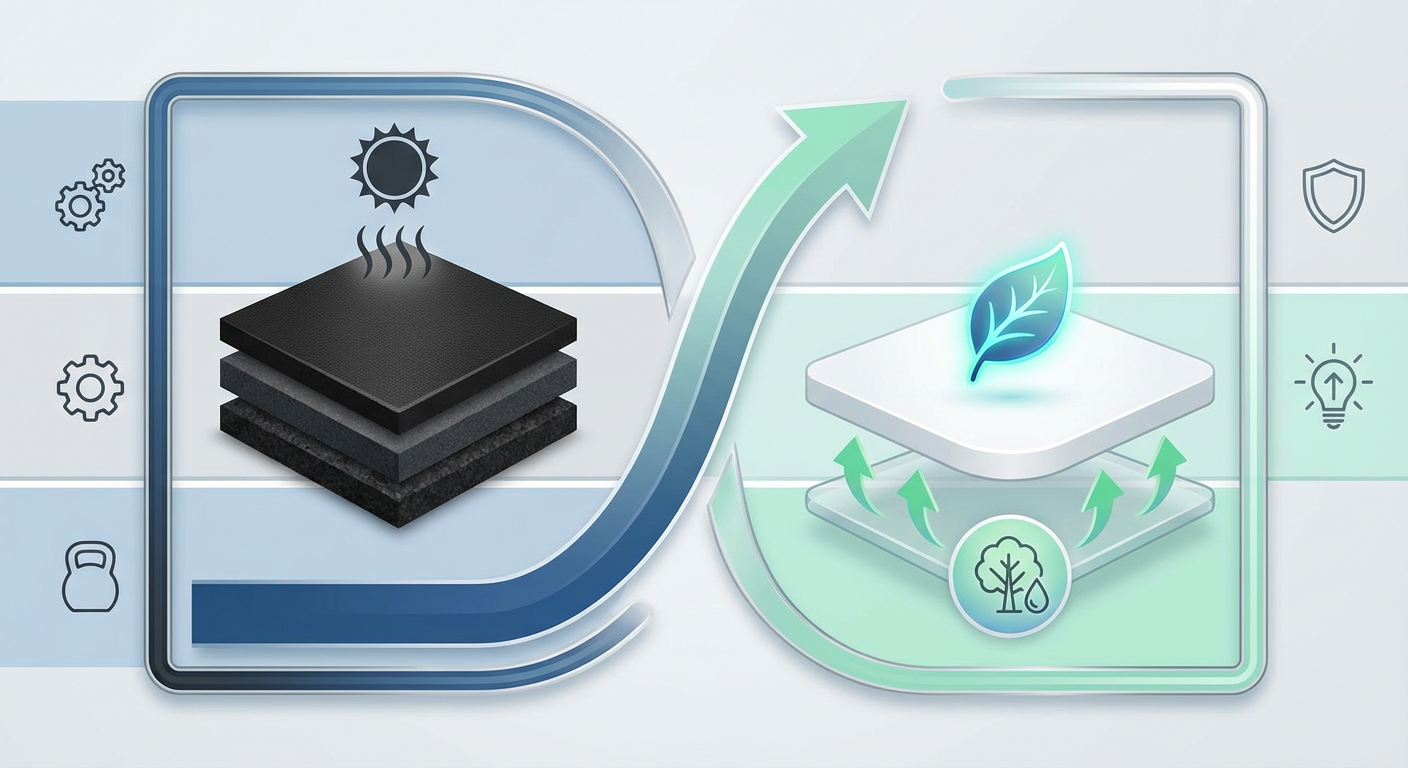
- Reflectivity and Energy Efficiency: A hallmark characteristic of PVC roofs, particularly the predominant white or light-colored membranes, is their high solar reflectivity. These "cool roofs" reflect a substantial portion of the sun's energy, rather than absorbing it. This can keep the roof surface up to 28 °C (50–60 °F) cooler than a conventional dark roof under direct sunlight, dramatically reducing the heat transferred into the building's interior. The U.S. Department of Energy estimates that cool roofs can cut cooling energy use by 10-15% on average annually, with some real-world data showing up to 20% savings in electricity bills in hot climates.
- Chemical, Fire, and Puncture Resistance: PVC offers superior resistance to a wide array of chemicals, fats, oils, and greases. This makes it an ideal choice for roofs exposed to industrial exhaust, restaurant vents, or chemical spills. Additionally, PVC membranes are typically Class A fire-rated, offering excellent fire resistance, a critical safety feature for commercial buildings. The reinforced scrim also provides enhanced puncture and tear resistance, making the membrane more resilient to foot traffic and debris.
- Ease of Maintenance and Repair: Given its robust nature and sealed seams, PVC roofing requires minimal maintenance. Routine upkeep generally involves annual inspections and cleaning of debris. In the event of damage, PVC membranes are remarkably easy to repair. A new piece of PVC can be heat-welded directly onto the existing membrane, creating a seamless and permanent patch. This ease of repair translates to lower maintenance costs over the roof's lifespan.
2.2 General Applications of PVC Single-Ply Flat Roofing
PVC single-ply flat roofing systems are highly versatile and widely adopted across various commercial and industrial sectors due to their strength, flexibility, and performance characteristics. Their suitability for diverse applications stems from their ability to form a durable, watertight barrier on flat or low-slope roofs, combined with their resistance to environmental stressors. Some of the primary applications include:- Commercial and Retail Buildings: Shopping centers, big-box stores, and other retail establishments frequently utilize PVC roofing. The reflective surface of white PVC membranes helps to significantly reduce cooling costs, which is a major operational expense for large commercial spaces. The durability and low maintenance also appeal to property managers seeking to minimize long-term costs and disruptions. Case studies have shown major retailers like Wal-Mart and Lowe’s adopting PVC systems to capitalize on energy savings and rebates.
- Industrial and Manufacturing Facilities: Factories, warehouses, and manufacturing plants often have large, expansive flat roofs. PVC's excellent chemical resistance is a significant advantage in environments where exhaust fumes, oils, or other industrial byproducts could degrade less durable roofing materials. The robust, heat-welded seams are crucial for protecting sensitive machinery and inventory from leaks. The ease of installation, even over existing roofs, also minimizes operational downtime for these facilities.
- Healthcare Facilities and Educational Institutions: Hospitals, clinics, schools, and universities benefit from PVC's long lifespan, low maintenance, and energy efficiency. These facilities often operate 24/7 or have strict environmental controls, making energy savings and minimal disruption from roof repairs particularly valuable. The sterile and clean nature of PVC also aligns with the stringent requirements of healthcare environments.
- Government and Public Buildings: Municipal centers, libraries, and other public facilities seek roofing solutions that offer long-term value and adhere to energy efficiency mandates. PVC's durability and ability to contribute to green building certifications make it an attractive option for publicly funded projects aiming for sustainability and cost control.
- Data Centers and High-Tech Facilities: These buildings require stable interior temperatures and absolute protection from water intrusion to safeguard sensitive electronic equipment. The superior watertight integrity of heat-welded PVC seams and its reflective properties (which reduce cooling loads for critical HVAC systems) make it an ideal choice. A data center in Orlando saved over £153,800 in energy costs over 20 years by opting for a reflective PVC/TPO system.
- Restaurants and Food Processing Plants: The resistance of PVC to animal fats, oils, and greases makes it an excellent option for buildings with kitchen exhaust systems or food processing operations that can significantly degrade other roofing materials.
2.3 Comparison to Other Flat Roofing Systems
To fully appreciate the benefits and cost-effectiveness of PVC single-ply roofing, it is essential to compare it with other prevalent flat roofing systems. The market for commercial flat roofing is primarily divided between traditional multi-ply systems (Built-Up Roofing, Modified Bitumen) and modern single-ply membranes (PVC, EPDM, TPO). Each system has distinct characteristics, installation methods, longevity, and cost implications.2.3.1 Traditional Systems: Built-Up Roofing (BUR) and Modified Bitumen (Mod-Bit)
Traditionally, "tar and gravel" Built-Up Roofing (BUR) dominated the flat roofing market, known for its layered composition of alternating asphalt (bitumen) and reinforcing fabrics, topped with gravel. Modified Bitumen (Mod-Bit) evolved from BUR, incorporating polymer modifiers into asphalt to enhance flexibility and resistance to temperature extremes, often supplied in rolls with a mineral aggregate surface.
2.3.2 Single-Ply Counterparts: EPDM and TPO
PVC is one of three dominant single-ply membranes, alongside Ethylene Propylene Diene Monomer (EPDM) and Thermoplastic Polyolefin (TPO). All three are installed as a single layer but differ significantly in their chemical composition, performance characteristics, and total lifecycle costs.| Feature | PVC Single-Ply | EPDM (Rubber Roofing) | TPO (Thermoplastic Polyolefin) |
|---|---|---|---|
| Composition | Reinforced thermoplastic membrane (PVC resin, plasticizers, UV stabilizers) | Synthetic rubber membrane (ethylene, propylene, diene monomer), often black, can be reinforced. | Thermoplastic polyolefin (polypropylene and ethylene-propylene rubber), reinforced usually with polyester scrim. |
| Installation | Hot-air welded seams; mechanical fastening, fully adhered. | Adhesive-based seams (taped or liquid adhesive); fully adhered, mechanically fastened, or ballasted. | Hot-air welded seams; mechanical fastening, fully adhered. |
| Seam Integrity | Superior; heat-welded seams create a monolithic, watertight bond . Virtually eliminates seam separation. | Relies on adhesive tapes or liquid adhesives; known weak point prone to degradation and eventual leaks, requiring resealing every 5-7 years. | Strong; heat-welded seams, similar to PVC, but can be more sensitive to dirt during welding. Early generations had issues with brittleness. |
| Lifespan (Avg.) | 20–30 years | 20–25 years (up to 30 in mild conditions) | 15–25 years |
| Upfront Cost (2025) | £5–£10 per sq ft installed | £3–£6 per sq ft installed [ | £4–£8 per sq ft installed |
| Energy Efficiency | High; white/light-colored surfaces drastically reduce cooling loads and contribute to green building credits . | Low (for black EPDM); absorbs significant solar heat. White EPDM available but less common and can be more expensive. | High; typically white or light-colored, offering excellent solar reflectivity and energy savings . |
| Chemical Resistance | Excellent; highly resistant to oils, greases, and many industrial chemicals . Ideal for restaurant and industrial applications. | Poor; degrades when exposed to oils, fats, and some chemicals. Not suitable for applications with exhaust vents from kitchens or industrial processes. | Moderate; generally good, but can be susceptible to some chemicals and plasticizer migration over time, less robust than PVC. |
| Fire Resistance | Class A fire rating is common (self-extinguishing. | Typically Class C, often requires fire retardant treatment to achieve higher ratings. | Typically Class A fire rating. |
| Maintenance | Low; routine cleaning and inspections. Easy, permanent repairs via heat-welding . | Moderate; requires periodic inspection and resealing of adhesive seams (every 5-7 years, costing £538-£769 per repair) . | Low; similar to PVC, but patch repairs can sometimes be more challenging than heat-welding PVC. |
2.4 Market Trends and Trajectory for PVC Roofing
The commercial roofing market is in a continuous state of evolution, driven by advancements in materials science, increasingly stringent energy codes, and a growing emphasis on sustainability and long-term cost-effectiveness. In this dynamic landscape, PVC single-ply roofing is not merely maintaining its position but is experiencing significant growth. Data indicates that the demand for PVC roofing is rising globally at approximately 7% annually. The market value grew from an estimated £5.54 billion in 2022 to a projected £9.46 billion by 2030, representing a robust 7.3% Compound Annual Growth Rate (CAGR) between 2024 and 2030 . This accelerated adoption is a testament to building owners, facility managers, and architects increasingly prioritizing lifecycle cost benefits over initial expense. Several factors are contributing to this positive trajectory:- Shift from Traditional Systems: The decline of traditional systems like modified bitumen (now "the least-installed" flat roof system ) and built-up roofing reflects a fundamental change in industry preferences. These older systems, with their higher labor costs, shorter lifespans, and poor energy performance, are being replaced by more efficient, modern alternatives. Single-ply membranes, including PVC, now comprise over 60% of new flat roof installations in North America .
- Energy Codes and Green Building Incentives: Stricter energy codes, particularly in hot climates, are mandating or strongly encouraging "cool roofs." The intrinsic reflectivity of white PVC membranes helps buildings meet these requirements and qualify for various utility rebates and tax credits, further enhancing their appeal . Rebates can range from £0.38 to £1.54 per square foot for installing reflective roofs, effectively accelerating the payback period of PVC systems . Programs like California's Cool Roof Retrofit, which offered £0.12-£0.15 per square foot in rebates to businesses, demonstrated the financial viability and encouragement for such upgrades .
- Focus on Lifecycle Costs: As building ownership horizons extend, decision-makers are increasingly looking beyond upfront costs to evaluate the total cost of ownership over a roof's entire lifespan. PVC's longer service life, lower maintenance requirements, and significant energy savings consistently demonstrate a superior lifecycle ROI compared to cheaper alternatives . A 20-year analysis found a white PVC roof’s total cost was £35,835 – less than half of a comparable asphalt roof (£88,604) .
- Durability in Harsh Environments: PVC's robust chemical resistance and inherent UV stability make it a preferred choice for applications in challenging climates or industrial settings where other materials might rapidly degrade . This resilience guards against premature failure, offering long-term protection and avoiding costly early replacements.
- Sustainability and Waste Reduction: The longer lifespan of PVC roofs indirectly contributes to sustainability efforts by reducing the frequency of tear-offs and thus minimizing landfill waste. While EPDM can sometimes last 40-50 years in mild conditions, PVC proves more reliable, with guaranteed consistency . In the U.S. alone, 11 million tons of roofing waste hit landfills annually ; longer-lasting PVC roofs help mitigate this environmental burden.
3. Upfront Costs vs. Lifecycle Value
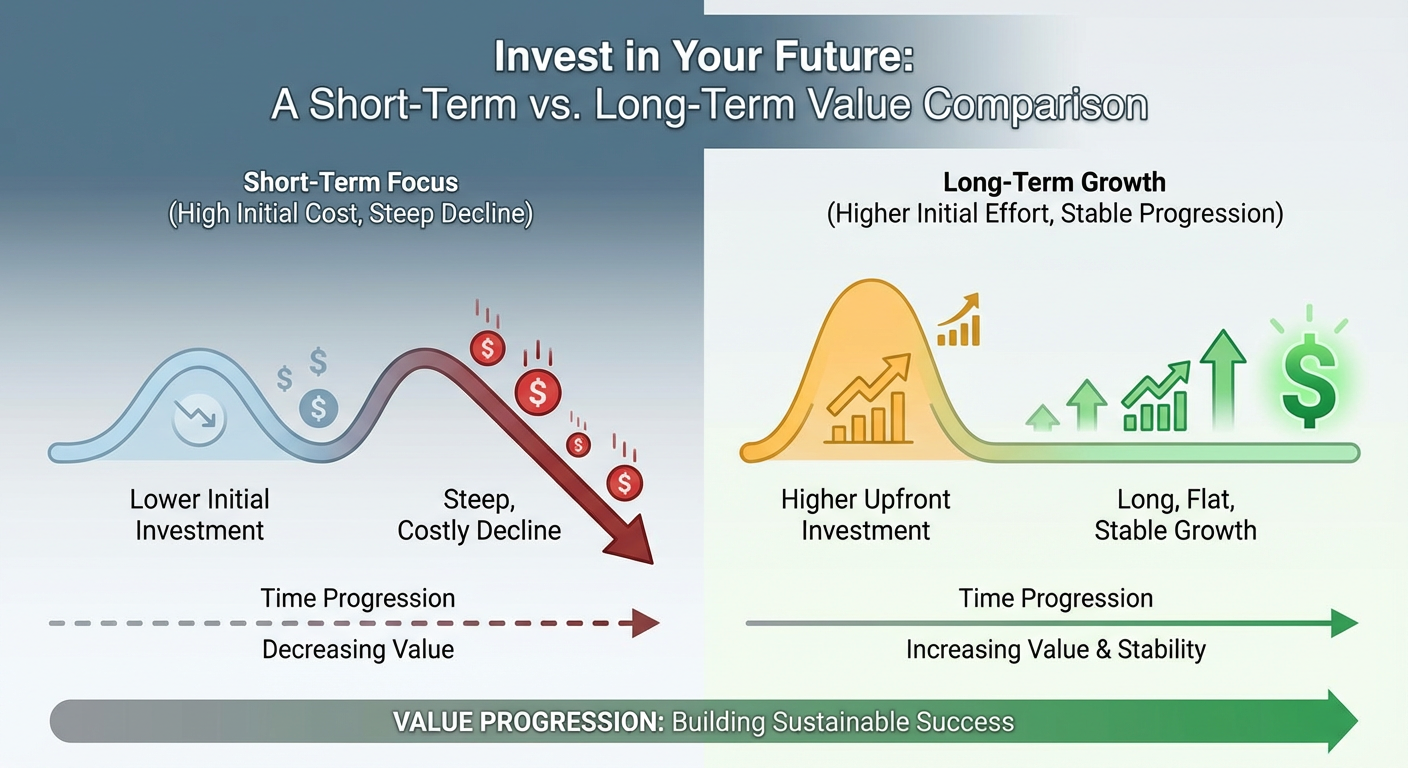
When considering any significant capital investment for a commercial property, such as a roofing system, the initial purchase and installation price often receives the most scrutiny. However, a narrow focus on upfront costs can lead to decisions that prove to be far more expensive in the long run. This section delves into the critical distinction between upfront costs and lifecycle value, specifically analyzing how PVC (Polyvinyl Chloride) single-ply flat roofing, despite a potentially higher initial investment, consistently delivers superior economic performance over its entire service life compared to traditional alternatives. We will examine current market pricing data, unpack the various components contributing to lifecycle costs, and illustrate through comprehensive analysis and real-world case studies how a seemingly premium upfront choice translates into substantial long-term savings through enhanced durability, reduced maintenance, and significant energy efficiency benefits.3.1. The Initial Cost Landscape: A Comparative Analysis
The upfront cost of a roofing system is a primary concern for virtually all property owners and facility managers. While PVC roofing is often perceived as a premium option, it is crucial to understand its positioning within the current market compared to other prevalent flat roofing materials. As of 2025, installed PVC roofs typically range from £5 to £10 per square foot. This stands in contrast to other popular single-ply membrane systems such as TPO (Thermoplastic Polyolefin), which averages £4 to £8 per square foot, and EPDM (Ethylene Propylene Diene Monomer), costing approximately £3 to £6 per square foot. Traditional built-up "tar and gravel" roofs generally fall in the range of £4.23 to £6.54 per square footfor materials and labor on a typical commercial project This pricing structure positions PVC with an initial outlay that can be 10% to 40% higher than its lower-cost single-ply counterparts. The reasons for this premium are rooted in several factors:| Roofing System | Installed Cost (2025, per sq ft) | Average Lifespan | Notes on Cost Drivers |
|---|---|---|---|
| PVC Single-Ply | £5.38 – £10.00 | 20 – 30 years | Premium materials, robust heat-welded seams, high durability. |
| TPO Single-Ply | £3.85 – £7.69 | 15 – 25 years | Good value, heat-welded seams; early generations had durability issues. |
| EPDM Single-Ply | £3.08 – £6.15 | 20 – 30 years (often 20-25 yrs in practice) | Lower material cost, adhesive seams (common failure point). |
| Built-Up Roof (BUR) | £4.23 – £6.54 | 20 – 40 years (with diligent maintenance) | Multi-layered, labor-intensive; heavy, long cure time. |
| Modified Bitumen | £3.08 – £5.38(est. 2025) | 10 – 20 years (declining as least installed) | Often torched-applied; less durable than single-ply for long-term. |
3.2. Deconstructing Lifecycle Costs: Beyond the Initial Price Tag
The true cost of a roof is not merely its purchase price or installation fee, but rather its lifecycle cost – the sum of all expenses incurred from initial installation throughout its entire service life, including maintenance, repairs, energy consumption, and eventual replacement.3.2.1. Longevity and Reduced Replacements
Fundamental to PVC's lifecycle cost advantage is its extended service life. PVC single-ply roofs are engineered to deliver a service life of approximately 20 to 30 years with proper maintenance.This longevity meets or exceeds most traditional flat roofing alternatives available today. For instance, EPDM typically averages 20-25 years, while TPO systems usually last 15-25 years . Even high-quality EPDM, which can last up to 40-50 years in ideal, mild conditions, realistically sees 25-30 years before replacement in most real-world scenarios.3.2.2. Minimal Maintenance and Repair Costs
One of the most compelling arguments for PVC's lifecycle cost-effectiveness stems from its significantly lower maintenance and repair requirements. PVC membranes feature heat-welded seams, a critical design advantage enabling the sheets to be fused together into a monolithic, watertight barrier .3.2.3. Significant Energy Efficiency Savings
Beyond durability and maintenance, PVC roofs offer a major financial advantage through energy efficiency, particularly due to their "cool roof" properties. Most PVC membranes are manufactured in white or light colors, providing naturally high solar reflectivity. These surfaces can reflect up to 80% or more of incident solar energy. In comparison, traditional dark-colored roofs can absorb up to 70% of the sun's heat , leading to substantial heat transfer into the building interior. The impact on building temperatures and energy consumption is profound.3.2.4. Incentives, Rebates, and Code Compliance
The energy efficiency benefits of PVC roofing are frequently amplified by financial incentives and regulatory mandates. Energy codes and green building standards increasingly promote or require cool roofs on low-slope commercial buildings. Many utility companies and local governments offer rebates for installing reflective roofing.3.2.5. Environmental and Indirect Savings
Longer-lasting roofs contribute to sustainability by reducing landfill waste. In the U.S. alone, an estimated 11 million tons of roofing wasteenters landfills annually . By extending the interval between roof replacements, PVC roofs contribute to decreased material consumption and less disposal burden, which can translate to avoided tear-off and disposal fees for property owners over the building's lifespan.3.3. PVC's ROI Story: Case Studies and Financial Payback
The theoretical advantages of PVC roofing translate into tangible financial returns in real-world applications.3.4. Conclusion: Shifting Perspective on Roofing Investment
The analysis of upfront costs versus lifecycle value unequivocally demonstrates that PVC single-ply flat roofing, while potentially requiring a higher initial investment compared to some traditional alternatives, offers a significantly lower total cost of ownership. The combination of its long-term durability, superior resistance to environmental factors, minimal maintenance requirements due to heat-welded seams, and substantial energy efficiency benefits positions PVC as a financially intelligent choice for commercial building owners and facility managers. The economic advantages are further bolstered by available cool roof incentives and the intrinsic value of avoiding costly disruptions and interior damage associated with premature roof failures. In an increasingly cost-conscious and sustainability-focused market, the paradigm has shifted. Professionals and property owners are increasingly looking beyond the entry price and embracing a comprehensive lifecycle perspective. This change reflects a mature understanding that a roofing system is a critical asset whose ongoing performance directly impacts operational expenses, energy consumption, and overall property value. The robust growth observed in the global PVC roofing market, projected from £5.54 billion in 2022 to £9.46 billion by 2030 with a 7.3% CAGR, is a testament to this understanding, driven by the compelling long-term cost benefits that PVC provides. Ultimately, investing in a PVC roof is not merely an expenditure; it is a strategic decision that promises a strong return on investment, ensures predictable long-term costs, and contributes to the overall financial health and operational stability of a commercial property. As we move forward, the next section will delve deeper into the specific environmental and sustainability advantages of PVC single-ply roofing, exploring its characteristics as a cool roof, its recyclability, and its contributions to green building certifications.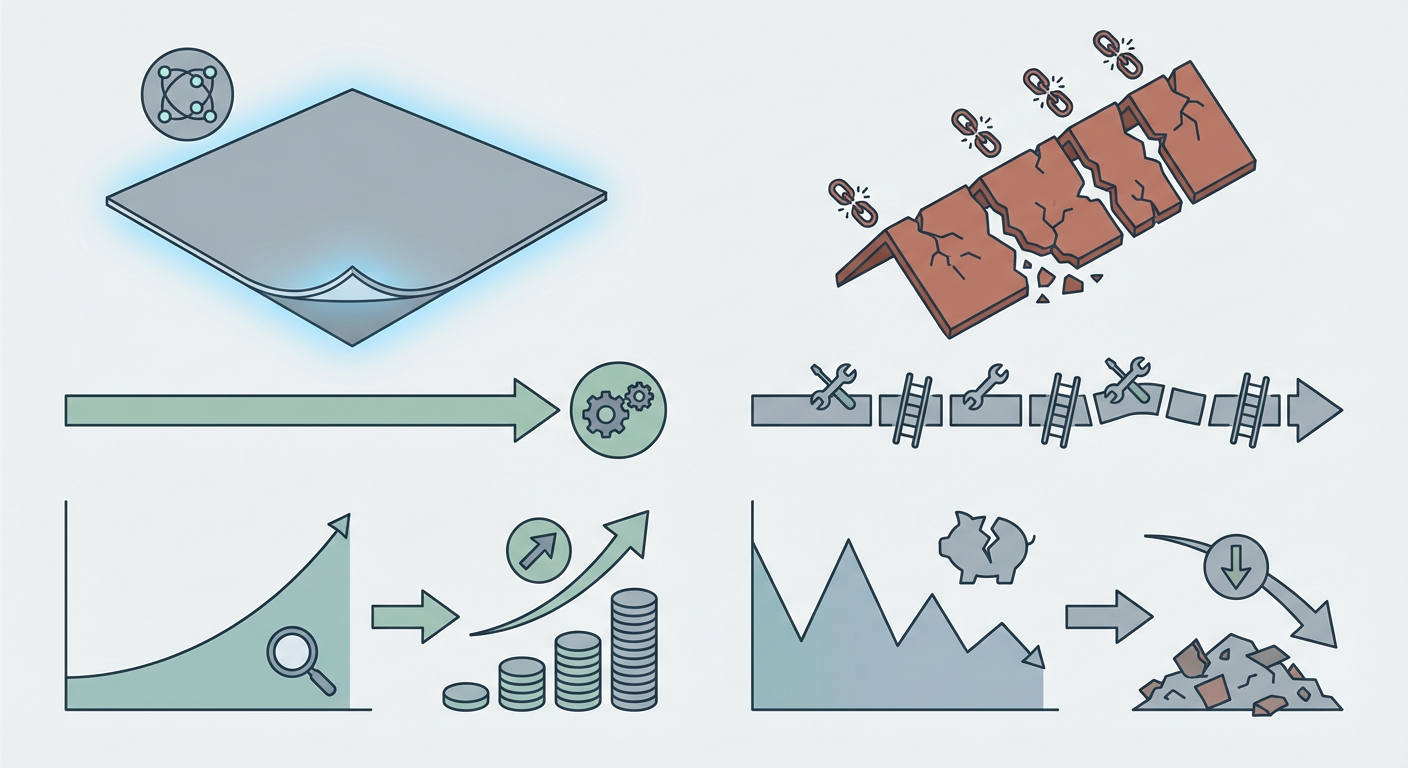
4. Longevity, Durability, and Reduced Replacements
The true cost-effectiveness of a commercial roofing system extends far beyond its initial purchase and installation price. While upfront costs are often a primary consideration for budget-conscious building owners, a more holistic financial assessment demands an examination of a roof’s longevity, inherent durability, and the resulting reduction in replacement frequency and operational downtime over its entire service life.
In this critical aspect, Polyvinyl Chloride (PVC) single-ply flat roofing consistently outperforms many traditional alternatives, yielding substantial lifecycle benefits that compound over decades. The material’s engineered resistance to environmental stressors, combined with its unique installation methods, translates to fewer interventions, lower maintenance demands, and a significantly extended period of reliable protection for the building and its assets. This section will delve into the specific attributes of PVC roofing that contribute to its superior longevity and durability, illustrating how these characteristics translate into tangible cost savings and enhanced operational efficiency throughout a building's lifespan.
4.1 Extended Service Life of PVC Roofing
One of the most compelling arguments for the long-term cost-effectiveness of PVC single-ply roofing lies in its impressive service life. PVC roofs are engineered to deliver extended performance, minimizing the disruptive and expensive cycle of frequent roof replacements. With proper maintenance, PVC single-ply roofs typically achieve a service life of approximately 20 to 30 years, and often more. This longevity either meets or exceeds that of most other traditional flat roofing systems, directly translating into fewer costly re-roofing projects over the lifespan of a commercial building.
For context, consider the typical lifespans of alternative single-ply systems:
- EPDM (Ethylene Propylene Diene Monomer): Averages around 20–25 years. While high-quality EPDM can theoretically last 40-50 years in mild conditions, typical field performance before replacement is closer to 25-30 years in practice.
- TPO (Thermoplastic Polyolefin): Generally ranges from 15–25 years. Early generations of TPO faced challenges with UV stability, though formulations have improved.
- Built-Up Asphalt Roofs: Can last approximately 20–40 years with diligent maintenance.
The ability of PVC to consistently achieve and often surpass the upper end of these service life ranges means that building owners can defer a full roof replacement for a significantly longer period. This deferral is not merely a postponement of expense; it represents a substantial financial advantage.
A longer-lived roof reduces the total number of major capital expenditures associated with roofing over several decades, thus lowering the overall lifecycle cost. For example, over a 60-year building lifecycle, a PVC roof might require two replacements, whereas a roof with a 15-year lifespan would demand three, or even four, full replacements. Each replacement involves not only materials and labor but also permits, waste disposal, and potential business interruption, all of which contribute to the total cost. By extending the interval between these capital-intensive projects, PVC directly cuts the cumulative cost of ownership.
The financial impact of extended service life is clearly illustrated in lifecycle cost analyses. One 20-year analysis compared a premium white PVC roof with a comparable premium black asphalt roof. Despite a similar initial installation cost of approximately £43,833 for both in year zero, the white PVC roof’s total cost over 20 years was £35,835 less than half that of the asphalt roof at £88,604. The primary driver of this disparity was the asphalt roof’s need for replacement after only ~14 years, incurring an additional installation cost during the analysis period, along with higher maintenance and cooling expenses. This stark comparison underscores the principle that upfront cost is a poor predictor of true lifetime value; longevity is paramount.
Furthermore, an annualized ownership cost analysis revealed that for a 1,600 sq ft building, a PVC roof (assuming a 30-year life) translated to an annual cost of about £301 while an EPDM roof (with a shorter typical lifespan of 15-20 years and interim repairs) cost approximately £366 per year. This makes the EPDM option about 21% more expensive annually, despite its lower initial price point. These figures compellingly demonstrate how PVC’s extended service life contributes to a significantly lower annual cost of roof service, providing substantial financial benefits over the long term.
4.2 Superior Seam Strength and Watertight Integrity
A critical determinant of a flat roof’s durability and longevity is the integrity of its seams. Weak or failing seams are often the primary point of water entry and the most common cause of roof leaks, leading to costly repairs, interior damage, and operational disruptions. PVC single-ply roofing addresses this vulnerability through a distinct and highly effective installation method: heat-welding.
Unlike traditional systems that rely on adhesives, tapes, or lap joints for seam sealing, PVC sheets are fused together using hot air. This heat-welding process essentially melts the PVC membranes at their overlapping edges, creating a homogeneous, continuous bond that is as strong as, or even stronger than, the membrane itself. This method virtually eliminates the common failure points associated with adhered seams, which are prone to degradation from UV radiation, temperature fluctuations, and environmental stressors. The resulting monolithic barrier prevents water intrusion effectively, even under challenging conditions of ponding water or heavy rainfall.
In contrast, many traditional roofing systems suffer from seam vulnerabilities:
- EPDM roofs: While durable in many respects, EPDM membranes are typically joined with adhesive tapes. These adhesive bonds are known weak points that can degrade over time due to UV exposure and thermal cycling. Industry data indicates that EPDM rubber roof seams often require re-sealing every 5–7 years to prevent leaks. Each such repair can cost approximately £538–£769. Over a typical 20-year lifespan, these routine seam repairs can add an estimated £1,615–£2,307+ in upkeep costs, not including potential interior damage from leaks.
- Built-up roofs (BUR): These multi-layered systems rely on hot bitumen or asphalt to seal layers. While robust, these roofs can be susceptible to cracking and membrane splits due to thermal expansion and contraction, particularly at flashing details or where materials meet.
- Modified Bitumen (Mod-bit) roofs: Often installed with torch-applied seams, these can also suffer from seam failures if not perfectly executed or if the adhesive properties of the bitumen degrade over time.
The inherent strength of heat-welded PVC seams significantly reduces the frequency of leak incidents. This not only minimizes direct repair costs but also mitigates the substantial indirect costs associated with water damage. Leaks can damage interior finishes, insulation, electrical systems, and valuable inventory or equipment. They can also lead to operational downtime, particularly in sensitive environments like data centers, manufacturing plants, or retail stores, where disruptions translate directly into lost revenue and productivity. By providing a truly watertight envelope, PVC roofs safeguard the building's interior and ensure continuous business operations.
Furthermore, in the rare event of damage (e.g., a puncture), PVC roof repairs are straightforward. A new patch of PVC membrane can be easily heat-welded onto the existing surface, creating a permanent, seamless repair without the need for messy adhesives or hazardous open flames. This ease and effectiveness of repair further contribute to the system's long-term durability and cost efficiency.
4.3 Inherent Resistance to UV Radiation, Chemicals, and Fire
Beyond its robust seam integrity and extended service life, PVC roofing exhibits impressive resistance characteristics that contribute significantly to its overall durability and reduced maintenance over time. These inherent properties make PVC an exceptionally resilient choice for a wide range of commercial and industrial applications.
4.3.1 UV Resistance
One of the most destructive forces for any roofing material is prolonged exposure to ultraviolet (UV) radiation from sunlight. UV rays can cause materials to degrade, embrittle, crack, and lose their flexibility, leading to premature failure. PVC membranes are inherently formulated with UV stabilizers, giving them superior resistance to this degradation. Furthermore, the typical white or light-colored surface of PVC roofs significantly contributes to their UV resistance by reflecting a large portion of solar radiation rather than absorbing it[. This reflectivity not only contributes to energy efficiency (as discussed in Section 4.5) but also reduces the thermal stress on the membrane itself, slowing down the aging process and maintaining material integrity over decades.
This is a crucial advantage compared to some alternative materials. While EPDM can be formulated for UV resistance, prolonged exposure can still lead to surface chalking and degradation. Early generations of TPO membranes were known to have issues with UV stability, sometimes experiencing brittleness or cracking in intense sunlight, although formulations have since improved considerably. Traditional asphalt-based roofs, being dark, absorb a significant amount of UV and heat, accelerating their aging and leading to cracking and deterioration over time.
4.3.2 Chemical Resistance
Commercial and industrial buildings often have unique operational needs that expose their roofs to various chemicals, grease, oils, and other corrosive substances. Exhaust vents from restaurants, manufacturing facilities, laboratories, or even rooftop HVAC units can deposit corrosive discharges, acidic condensates, or fatty and oily residues directly onto the roof surface. Many traditional roofing materials, particularly asphalt-based systems and some rubber membranes, can be severely degraded by such exposure, leading to softening, swelling, or breakdown of the membrane. This often manifests as localized "fatigue" or premature failure around vents and equipment, necessitating frequent repairs.
PVC, by its chemical nature, offers superior resistance to a wide array of chemicals, including oils, fats, greases, acids, bases, and many industrial pollutants. This inherent chemical inertness allows PVC roofs to maintain their integrity and performance even in challenging environments where other materials would quickly deteriorate. This resilience against chemical attack translates into:
- Reduced localized failures: Fewer instances of membrane damage originating from chemical spills or discharges.
- Lower maintenance needs: Less frequent patching and repair work around rooftop equipment.
- Extended overall lifespan: The membrane retains its structural and waterproofing properties longer, even under aggressive conditions.
4.3.3 Fire Resistance
Safety is a paramount concern for any commercial building, and a roof's fire performance is a critical aspect of that safety. PVC roofing materials exhibit excellent fire resistance properties. Vinyl, the base polymer for PVC, is inherently fire-retardant and self-extinguishing. As a result, PVC roofs are typically rated as a Class A fire-rated material, which is the highest possible rating for roof assemblies. This means they contribute minimally to fire spread and provide strong resistance to external fire exposure.
This intrinsic fire resistance offers several advantages:
- Enhanced building safety: Reduced risk of fire propagation across the rooftop and into the building.
- Potential insurance benefits: Buildings with Class A fire-rated roofs may qualify for lower fire insurance premiums.
- Compliance with building codes: Meeting stringent fire safety regulations, which are increasingly common in urban centers and for specific building types.
In contrast, traditional bitumen-based roofs (like built-up or modified bitumen) are more susceptible to fire spread because asphalt is a petroleum product. While they can achieve certain fire ratings with surfacing materials, their inherent combustibility is higher than PVC. This superior fire performance of PVC adds another layer of long-term value, protecting both the building and its occupants.
4.4 Reduced Replacements and Operational Downtime
The confluence of PVC's extended service life, superior seam strength, and inherent resistance to environmental stressors directly contributes to a significant reduction in roof replacements over a building's lifespan. This, in turn, minimizes operational downtime and associated indirect costs, offering a substantial overall economic benefit to building owners and operators.
4.4.1 Fewer Capital Replacement Cycles
As previously established, PVC roofs routinely achieve service lives of 20-30+ years. This long lifespan means that in a typical 40- to 60-year building occupancy, a PVC roof might only require one or two full replacements, whereas alternative systems with shorter effective lifespans (e.g., EPDM at 15-20 years for some applications, or certain asphalt roofs needing more frequent major repairs) might require two, three, or even four replacements during the same period. Each full replacement project is a major capital undertaking, involving significant expenses for material procurement, specialized labor, equipment, and permits. By reducing the frequency of these large capital outlays, PVC roofing allows for more efficient long-term financial planning and preserves capital for other critical investments.
4.4.2 Minimized Disruption and Operational Downtime
Beyond direct costs, roof replacement projects are inherently disruptive to building operations. Commercial entities, whether they are retail stores, manufacturing plants, hospitals, or educational institutions, rely on continuous, uninterrupted operations. A large-scale re-roofing project can entail:
- Noise and dust: Disturbing occupants, customers, or students.
- Restricted access: Limiting entry points, impacting deliveries, or closing off sections of a facility.
- Safety hazards: Increased risk due to rooftop equipment, materials, and construction personnel.
- Weather exposure: Risk of interior damage during tear-off phases, especially in multi-day projects.
- Temporary relocation: Requiring portions of the business to cease operations or move to alternative locations.
By extending the time between necessary roof replacements, PVC roofing significantly delays and reduces the frequency of these disruptive events. This means fewer instances of business interruption, loss of productivity, potential customer inconvenience, and employee disruption. For a busy retail store, avoiding a re-roof during peak season can mean millions in preserved revenue. For a hospital, minimizing construction impacts ensures patient comfort and safety. For a data center, ensuring uninterrupted operations is paramount. The "soft costs" of disruption often far outweigh the direct cost of the roof itself, making PVC's extended lifespan a strategic operational advantage.
For example, a retail chain that transitioned from a shorter-lived roofing system to a 20+ year PVC system across its stores was able to extend its roof replacement cycles significantly. This allowed them to schedule re-roofing projects less often and avoid interference with critical store operations, leading to improved net operating income for each store. This reliability is a major intangible yet highly valuable benefit that PVC offers over less durable alternatives.
4.4.3 Reduced Waste and Disposal Costs
A longer-lasting roof also has environmental and direct financial implications related to waste management. Every roof replacement involves the tear-off and disposal of old roofing materials, which typically end up in landfills. In the U.S. alone, an estimated 11 million tons of roofing waste are sent to landfills annually. By extending the functional life of a roof from, for example, 15 years to over 30 years, PVC dramatically reduces the volume of waste generated over the life of a building. This translates to fewer landfill disposal fees and a smaller environmental footprint. For building owners committed to sustainability, the waste reduction aspect of long-lived PVC roofs is a compelling benefit.
| Roofing System | Typical Lifespan (Years) | Replacements over 60 Years (Approx.) | Key Durability Factors for PVC |
|---|---|---|---|
| PVC Single-Ply | 20-30+ | 2-3 | Heat-welded seams, UV/chemical resistance, Class A fire rating |
| EPDM Rubber | 20-25 | 2-3 (with probable seam repairs) | Adhesive seams prone to degradation, less chemical resistance than PVC |
| TPO Single-Ply | 15-25 | 2-4 (potential UV issues in older formulations) | Heat-welded seams (improved since early generations), some chemical resistance |
| Built-Up Roof (BUR) | 20-40 | 1-3 | Heavy, susceptible to thermal cracking and UV degradation of top layers; high maintenance |
| Modified Bitumen (Mod-Bit) | 15-20 | 3-4 | Torch-applied seams can degrade; less energy-efficient (dark) |
4.4.4 Mitigating "Hidden" Costs of Roof Failure
The true cost of a roof's short lifespan or premature failure extends beyond repair bills. It encompasses a range of "hidden" costs that can cripple a business:
- Interior Damage: Water infiltration can ruin inventory, sensitive equipment, electronic data, and structural components.
- Mold and Mildew Remediation: Uncontrolled moisture can lead to serious indoor air quality issues, expensive remediation, and potential health liabilities.
- Insurance Claims: Frequent leaks and damage can lead to higher insurance premiums or even policy cancellations.
- Tenant Dissatisfaction: For multi-tenant buildings, leaks and disruptions can lead to unhappy tenants, lease non-renewals, and lost rental income.
- Negative Public Perception: A visibly leaking or poorly maintained roof can detract from a business's image and reputation.
By delivering exceptional longevity and durability, PVC roofing acts as a shield against these hidden costs, preserving the building's asset value, ensuring business continuity, and providing peace of mind to facility managers and owners. Building owners and decision-makers are increasingly factoring these long-term operational and financial benefits into their roofing material selection, making PVC a preferred choice for those focused on total cost of ownership rather than just initial purchase price.
4.5 The Impact of Longevity on Lifecycle Cost Benefits
The prolonged service life and robust durability of PVC roofing systems are not abstract advantages; they directly translate into significant lifecycle cost benefits. By examining the overall expenses incurred from initial installation through eventual replacement over several decades, PVC emerges as a financially superior solution despite a potentially higher upfront material cost.
4.5.1 The Misleading Nature of Upfront Cost
It is important to acknowledge that PVC roofing typically carries a higher initial installation cost compared to some alternatives. In 2025, installed PVC roofs might range from £5–£10 per square foot, a premium over TPO (£4–£8) or EPDM (£3–£6) systems. This represents a 10-40% higher initial outlay. However, industry experts consistently warn against making purchasing decisions based solely on initial expenditure. As one analysis aptly puts it, comparing roofing systems solely on upfront cost is like “paying more for a hybrid car to save on fuel” – the initial premium is recouped through long-term savings.
4.5.2 Lifecycle Cost Analysis Reversal
When the full spectrum of costs—including installation, maintenance, repairs, energy consumption, and eventual replacement—is factored over the expected service life, the economic equation often reverses dramatically in favor of PVC. The 20-year analysis of an Ohio commercial building, mentioned earlier, strikingly demonstrated this. The premium white PVC roof had a total cost of £35,835 over 20 years, while a comparable premium black (bitumen) roof escalated to £88,604. This substantial difference occurred because the black roof required an early replacement at year 14, in addition to incurring higher maintenance and cooling expenses. This example highlights how the single event of an earlier replacement can outweigh years of smaller upfront savings.
4.5.3 Reduced Maintenance and Repair Costs
PVC's durability significantly reduces ongoing maintenance and repair expenditures. The heat-welded seams of PVC roofs are inherently more durable and less prone to failure than adhesive-sealed seams found in EPDM or the bitumen-based seams of traditional roofs. EPDM roofs, for example, often require seam re-sealing every 5–7 years, with each repair costing £538–£769[. Over 20 years, these recurring costs can add £1,615–£2,307+ to an EPDM roof's operational expense. PVC roofs, by nearly eliminating this common failure point, avoid these routine expenses entirely, leading to "minimal maintenance costs".
The robust resistance of PVC to UV, chemicals, and fire also prevents premature degradation that would necessitate frequent localized repairs in less resilient roofing systems. This translates to fewer calls for minor leaks, patching, and restorative treatments, ultimately lowering the annualized cost of roof ownership. One large manufacturing facility reported cutting their roofing maintenance spend by "75% over the following decade" after switching from a frequently problematic built-up roof to PVC.
4.5.4 Accelerated Payback Period
The upfront premium for PVC roofing is frequently recouped much faster than anticipated due to the compounding benefits of reduced repairs, longer service life, and significant energy savings. Many analyses suggest that the payback period for the higher initial cost of PVC can be as short as 5–10 years. After this period, the ongoing lower operational costs and extended lifespan contribute directly to the building's net operating income. This quick return on investment makes PVC an attractive option for facilities managers and property owners looking for tangible financial benefits within a reasonable timeframe.
4.5.5 Impact on Property Value and Future Planning
A durable, long-lasting PVC roof also contributes positively to the long-term asset value of a property. Potential buyers and appraisers often factor in the remaining useful life of a roof. A building with a high-performance PVC roof with 20+ years of life remaining is significantly more attractive and valuable than one with an aging roof facing imminent and costly replacement. This enhances the building's marketability and potentially commands a higher sale price. For property owners with long-term holding strategies, investing in a PVC roof is a strategic decision that protects and enhances capital assets, rather than simply incurring an expense.
In conclusion, PVC’s inherent longevity, superior durability against environmental stressors, and the resulting reduction in necessary replacements and maintenance interventions solidify its position as a highly cost-effective roofing solution. The initial investment, while sometimes higher, is demonstrably justified by the substantial long-term savings and enhanced operational continuity it provides across the entire lifecycle of a commercial building. This thorough analysis of durability factors underscores why PVC is increasingly seen as an investment-grade choice for forward-thinking building owners.
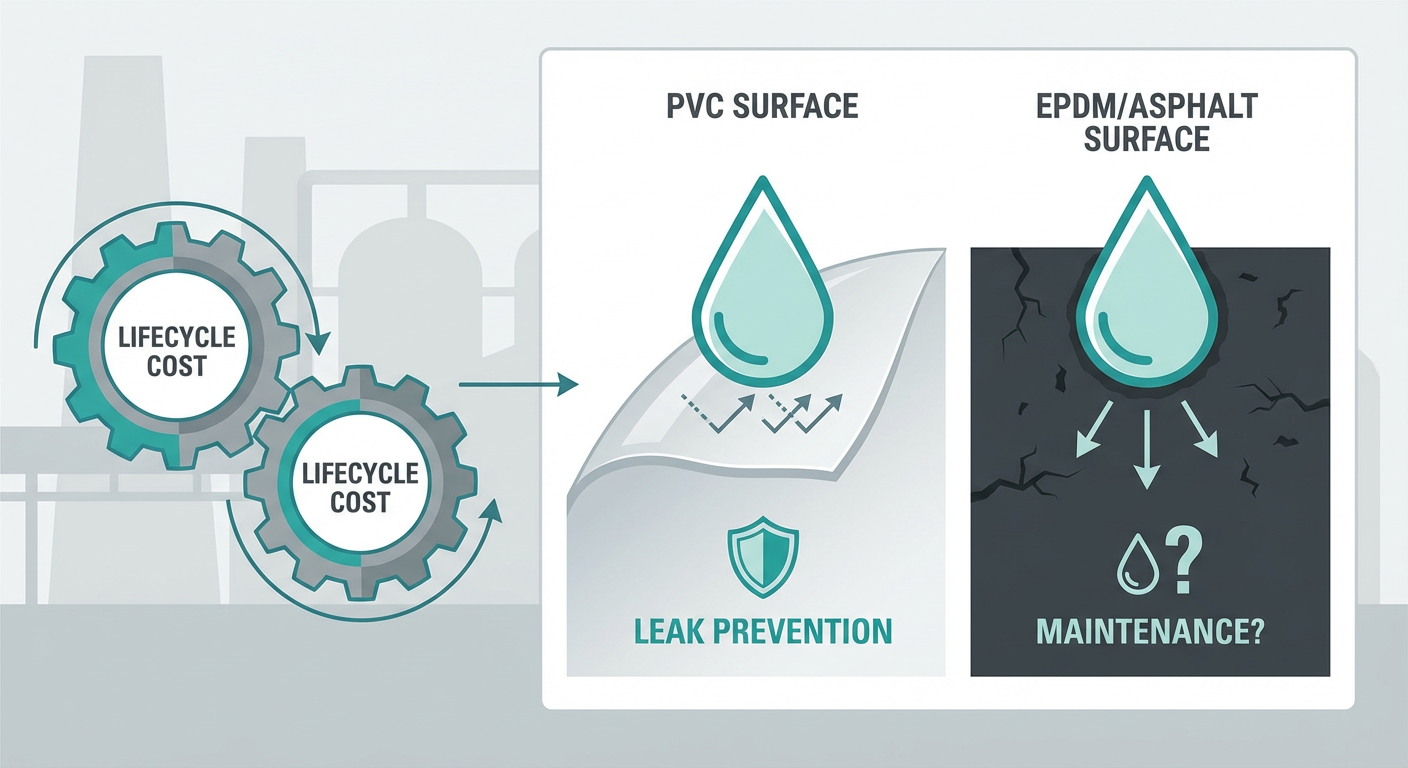
5. Maintenance, Repairs, and Leakage Prevention
The long-term cost-effectiveness of any commercial roofing system is intrinsically linked to its maintenance requirements, susceptibility to repairs, and overall ability to prevent water intrusion. While initial installation costs often dominate budgeting discussions, the lifecycle costs associated with ongoing upkeep and reactive repairs can significantly skew the total cost of ownership over a roof’s expected lifespan.5.1 The Low Maintenance Imperative: PVC's "Install and Relax" Approach
Traditional roofing systems often require a significant commitment to ongoing maintenance to achieve their advertised lifespan.5.2 Eliminating the Weak Link: The Strength of Heat-Welded Seams
One of the most critical differentiators between PVC roofing and many of its alternatives, particularly EPDM, lies in the method of seam adhesion. Roughly 60% of all flat roof leaks originate at seams or flashings.- Virtually Eliminates Seam Leaks: The heat-welded seams of PVC virtually eliminate the primary failure point of many traditional flat roofs, dramatically reducing the likelihood of leaks originating from seam separation . EPDM seams, for instance, are notoriously prone to failure and often require maintenance every 5–7 years
- Enhanced Durability: Because the seams are fused rather than glued, they are highly resistant to peeling, cracking, and degradation, even under harsh conditions. This maintains the roof’s integrity over its entire lifespan.
- Reduced Repair Costs: The elimination of seam failures translates directly into significant cost savings on repairs. As detailed below, EPDM seam repairs can be a recurring and substantial expense.
5.2.1 The Cost of EPDM Seam Failures: A Comparative Analysis
To illustrate the financial impact of differing seam technologies, a direct comparison of repair costs associated with PVC and EPDM is highly illuminating.- Years 6-7: First repair (~£538 - £769)
- Years 12-14: Second repair (~£538 - £769)
- Years 18-20: Third repair (~£538 - £769)
| Roofing System | Seam Type | Typical Seam Failure Frequency | Cost Per Seam Repair | Estimated Seam Repair Cost (20 years) | Maintenance Profile |
|---|---|---|---|---|---|
| PVC Single-Ply | Heat-welded | Virtually eliminated | N/A (for seams) | £0 (for seam failures) | Low; annual inspections, occasional debris removal |
| EPDM Single-Ply | Adhesive-based | Every 5-7 years | £538 - £769 | £1,615 - £2,307+ [ | Moderate; periodic seam re-sealing, inspections |
5.3 The Hidden Costs of Leakage: Indirect Cost Avoidance
Beyond the direct costs of roof repairs, the true economic impact of a leaking roof extends far into the interior of a building. These "indirect costs" of leakage are often overlooked in initial cost assessments but can quickly escalate, causing significant financial drain and operational disruption. PVC's superior leakage prevention capabilities offer a substantial advantage by mitigating these hidden expenses. A leaking roof, especially in a commercial or industrial setting, can lead to a cascade of problems and expenses:- Damage to Interior Assets: Water intrusion can destroy inventory, damage expensive equipment, computers, electronics, and machinery . For a manufacturing plant, this could mean ruined raw materials or finished products, leading to financial losses and potential delivery delays. For an office, it could mean replacing water-damaged furniture, files, or IT infrastructure.
- Business Interruption and Downtime: Leaks can necessitate temporary shutdowns of specific areas or even entire operations while repairs are made or damage is mitigated. For a retail store, this means lost sales. For a data center, it could mean catastrophic system failures. For a factory, production halts lead to significant revenue loss. The example of a manufacturing plant experiencing "multiple production stoppages from roof leaks" underscores this point .
- Mold and Mildew Remediation: Moisture ingress creates ideal conditions for mold and mildew growth, which can pose health risks to occupants and necessitate costly professional remediation services. These costs can easily run into thousands or even tens of thousands of dollars, far exceeding the cost of the initial roof repair.
- Damage to Structural Components: Prolonged water exposure can compromise the structural integrity of a building, leading to rot in roof decks, degradation of insulation, and weakening of support beams. These repairs are often complex, invasive, and very expensive.
- Safety Hazards: Wet floors from leaks create slip-and-fall hazards for employees and customers, potentially leading to increased liability and insurance claims.
- Increased Insurance Premiums: A history of water damage claims can result in higher property insurance premiums.
5.4 Lifecycle Maintenance Savings: The Long-Term Financial Advantage
The cumulative effect of low maintenance requirements and superior leakage prevention translates into substantial lifecycle maintenance savings for PVC roofing systems. Industry estimates suggest that maintenance costs over 20 years for a problematic flat roof can exceed half of its initial installation cost. PVC systems aim to dramatically reduce this figure. The primary drivers of these lifecycle maintenance savings include:- Fewer Emergency Repairs: Due to their robust heat-welded seams and inherent durability, PVC roofs experience fewer catastrophic failures or persistent leak issues that necessitate costly emergency call-outs.
- Simplified Routine Upkeep: The "install and relax" nature means less labor and fewer specialized materials are needed for routine annual maintenance, contributing to lower yearly budgets.
- Predictable Costing: With PVC, facility managers can better predict their roofing expenditures, avoiding the unpredictable spikes associated with frequent repairs on less durable systems.
5.5 Simple and Permanent Repairs When Needed
Even the most robust roofing systems can suffer accidental damage, such as punctures from dropped tools, sharp debris, or impacts during other rooftop maintenance activities.5.6 Conclusion: A Superior Long-Term Investment
In summary, the maintenance, repair, and leakage prevention aspects of PVC single-ply roofing systems present a compelling case for their cost-effectiveness over traditional alternatives. The inherent low maintenance requirements, primarily driven by the smooth surface and robust heat-welded seams, dramatically reduce ongoing operational expenses. This contrasts sharply with systems like EPDM, which face recurring costs associated with adhesive seam failures.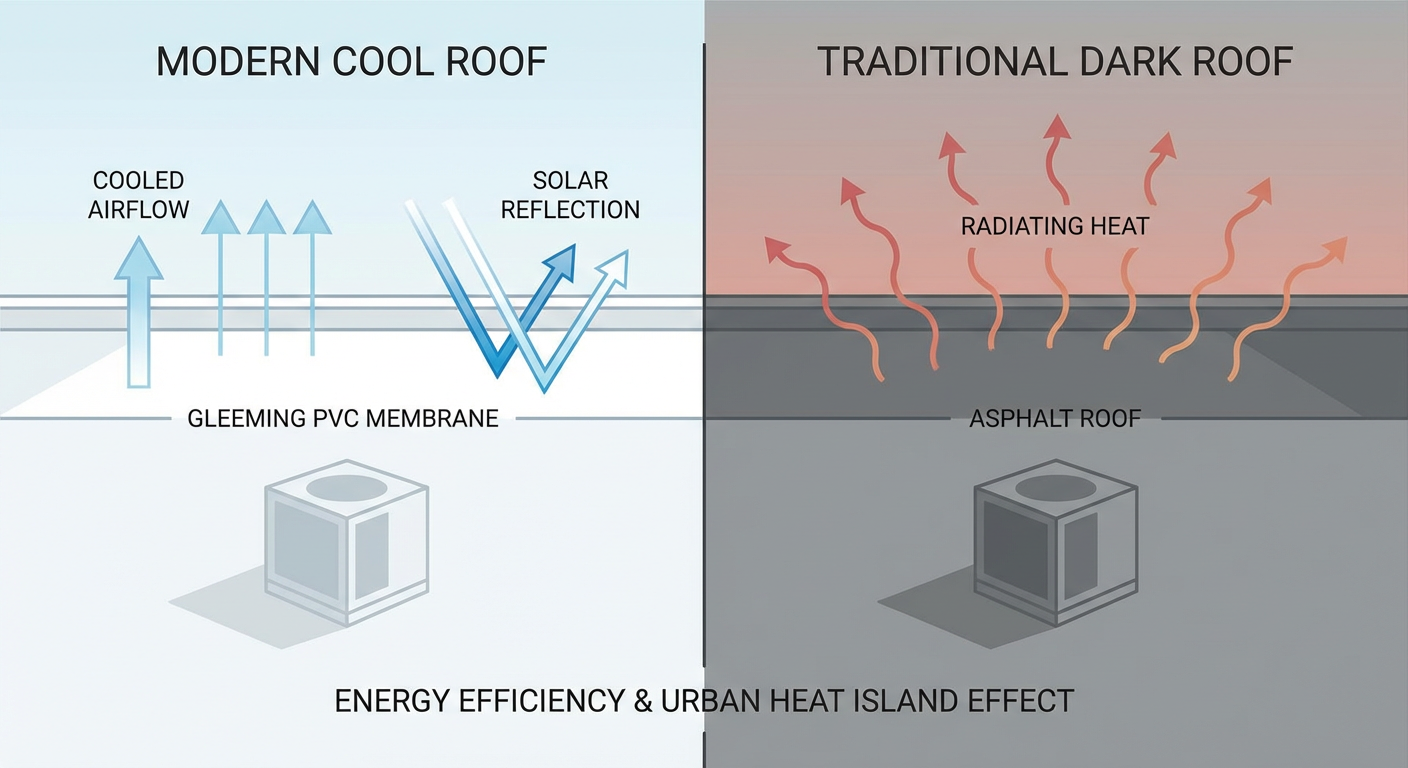
6. Energy Efficiency and HVAC Savings
The roof of a commercial building plays a far more significant role than merely providing shelter from the elements; it acts as a critical interface between the interior environment and external climatic conditions.
Consequently, the choice of roofing material can have a profound and lasting impact on a building's energy consumption, particularly its heating, ventilation, and air conditioning (HVAC) costs. Polyvinyl Chloride (PVC) single-ply flat roofing systems distinguish themselves in this regard through their inherent properties, most notably their high solar reflectivity, often referred to as the "cool roof" effect.
This section provides an in-depth analysis of how reflective PVC membranes contribute to substantial energy savings, quantify these benefits, and examine their downstream effects on HVAC system sizing, longevity, and overall operational expenditures. While acknowledging the potential for a minor heating penalty in colder climates, the overwhelming evidence points to PVC roofing as a superior choice for optimizing building energy performance and delivering significant lifecycle cost benefits.
6.1 The "Cool Roof" Effect: Reducing Solar Heat Gain
At the core of PVC's energy efficiency advantage is its "cool roof" capability. Unlike traditional dark-colored roofing materials, which absorb a substantial amount of solar radiation, PVC membranes are typically manufactured in white or light grey colors with high solar reflectivity.
This characteristic allows them to reflect a large proportion of incident sunlight back into the atmosphere, thereby preventing unwanted heat transfer into the building's interior.The difference in surface temperature between a conventional dark roof and a reflective PVC roof is striking. Data indicates that traditional dark roofs can reach extreme temperatures, often between 150–190 °F (65–88 °C) under peak summer sun .
In stark contrast, a light-colored PVC membrane under identical conditions can remain approximately 50–60 °F (28 °C) cooler . The U.S. Department of Energy (DOE) highlights that a reflective roof that stays approximately 28 °C cooler can significantly reduce a building's cooling load . By mitigating this heat gain, PVC roofs directly alleviate the burden on mechanical cooling systems, leading to quantifiable reductions in energy consumption.
The solar reflectance of PVC membranes represents a fundamental thermodynamic advantage. While dark roofs can absorb up to 70% of solar heat , reflective PVC surfaces are designed to bounce back often 80% or more of solar energy . This drastic reduction in heat absorption prevents the roofing material itself from becoming a massive heat sink that reradiates thermal energy downwards into the occupied spaces below.
This phenomenon significantly impacts the internal ambient temperature, particularly in top-floor spaces or buildings with minimal attic insulation. The cooler building envelope translates directly into less work required from air conditioning units to maintain comfortable indoor temperatures.
6.2 Quantifying Energy Bill Reductions: Cooling Cost Savings
The practical result of the "cool roof" effect is a direct and often substantial reduction in cooling energy use. Multiple sources confirm that PVC's white, reflective surface can cut cooling energy use by a significant margin annually. Specifically, organizations like USA Quality Roofing and the U.S. Department of Energy (DOE) report that cool roofs can lead to a 10–30% reduction in annual cooling energy consumption . In hot climates, these savings are even more pronounced, with some real-world data showing electricity bill reductions of 15–20% .
These figures are not merely theoretical; they are substantiated by real-world case studies involving commercial and industrial facilities. For instance, a retail store in California reported approximately a 20% reduction in electricity consumption after replacing its dark, 150°F roof with a white PVC roof that maintained a surface temperature of around 90°F . This demonstrates the tangible impact that roof reflectivity has on a building's energy balance. Similarly, a high-performance single-ply system (such as white TPO, which shares similar reflective properties with white PVC) installed on a 35,000 sq ft data center in Orlando, Florida, combined with additional insulation, was projected to save an estimated £155,007 in energy costs over 20 years. This represented nearly a 40% reduction in cooling energy cost.
A table illustrating potential energy savings from adopting a reflective PVC roof compared to a dark conventional roof is provided below:
| Roof Type | Peak Surface Temperature (approx.) | Cooling Energy Use Reduction | Electricity Bill Reduction (Hot Climates) |
|---|---|---|---|
| Traditional Dark Roof (e.g., Asphalt, Mod-Bit) | 150–190 °F (65–88 °C)[ | 0% (Baseline) | 0% (Baseline) |
| Reflective White PVC Roof | 90–100 °F (32–38 °C) | 10–30% annually | 15–20% annually |
6.3 Impact on HVAC System Sizing and Lifespan
Beyond direct energy bill savings, the reduced heat load provided by PVC cool roofs has profound implications for a building's HVAC infrastructure. When a building experiences less solar heat gain through its roof, its cooling equipment does not need to work as intensively or for as long to maintain desired indoor temperatures. This decreased demand can lead to several significant benefits:
6.3.1 Downsizing of Cooling Equipment
For new construction projects or major renovations, the energy efficiency of a cool roof can allow for the specification and installation of smaller, less powerful (and thus less expensive) HVAC systems. Studies suggest that installing a reflective PVC roof can facilitate the downsizing of cooling equipment by as much as 10–15% due to the significantly lower heat gain . This capital cost saving on HVAC equipment represents a substantial upfront benefit, directly improving the project's return on investment.
For example, if a building would typically require a 100-ton HVAC system with a dark roof, a design incorporating a high-reflectance PVC roof might only necessitate an 85-ton to 90-ton system. The cost difference for such a reduction in capacity can be tens of thousands of dollars, depending on the scale and complexity of the system. This foresight in design directly leverages the passive cooling benefits of PVC roofing.
6.3.2 Extended HVAC Equipment Lifespan
Existing HVAC systems also benefit greatly from PVC cool roofs. When air conditioning units operate under reduced loads, they experience less wear and tear. They cycle on and off less frequently, and when they are running, they are often not working at their maximum capacity, particularly during peak summer days. This phenomenon can significantly extend the operational lifespan of HVAC components such as compressors, fans, and motors. While specific quantifiable data on lifespan extension can vary, it is widely recognized that less arduous operation directly correlates with improved durability and fewer breakdowns . Extending the life of an HVAC system by even a few years can defer costly replacement cycles, which can range from tens of thousands to hundreds of thousands of dollars for commercial equipment.
6.3.3 Improved Indoor Comfort and Air Quality
Beyond the purely financial benefits, a cooler roof contributes to improved indoor comfort for building occupants. This is especially true for spaces directly beneath the roof, such as top-floor offices, manufacturing areas, or retail floors. Reduced roof-induced heat gain can lead to more stable internal temperatures and less reliance on auxiliary cooling measures. In unconditioned spaces, such as warehouses or storage areas, a cooler roof can prevent extreme heat buildup, protecting sensitive goods and improving working conditions.
6.4 Addressing the Minor Heating Penalty in Colder Climates
While the benefits of PVC's reflectivity in warmer climates are undeniable, it is important to address a commonly raised concern: the "heating penalty" in colder climates. A reflective white roof, by design, reflects solar radiation regardless of the season. In winter, this means it will reflect some of the sun's warmth that a dark roof would typically absorb, potentially leading to a slight increase in heating demand.
However, several factors mitigate this perceived disadvantage, often rendering the net energy savings from cool roofs positive even in mixed or predominantly cold climates:
- Lower Winter Sun Angles: During winter months, the sun's angle is much lower, and daylight hours are shorter. The total solar energy absorbed by a roof is therefore significantly less than in summer, regardless of color.
- Snow Cover: In many cold regions, winter snow often covers the roof for extended periods. Snow is highly reflective, acting as its own "cool roof" layer, thereby negating any intrinsic color differences in the roofing material beneath.
- Dominance of Cooling Costs: For many commercial buildings, particularly those with internal heat loads from lighting, computers, and occupants, cooling costs often outweigh heating costs for a significant portion of the year, even in northern latitudes. The substantial cooling savings typically far exceed any minor increases in winter heating expenses .
- Insulation and HVAC Efficiency: The efficiency of a building's insulation envelope and HVAC system often plays a much larger role in determining winter heating costs than roof color. Modern energy codes and best practices emphasize robust insulation, which largely isolates the interior from external temperature fluctuations, including those driven by roof surface temperature.
- Strategic Color Choices: For buildings in regions with a more balanced heating-to-cooling ratio, PVC manufacturers offer membranes in various shades of grey. A moderately reflective grey PVC roof can provide a good compromise, still offering significant cooling benefits while minimizing any potential heating penalty.
The U.S. Department of Energy explicitly states that the winter heating penalty is usually much smaller in dollar terms than the summer cooling benefit . Therefore, the net energy savings derived from a PVC cool roof remain typically positive across a wide range of climates, reinforcing its overall cost-effectiveness.
6.5 Green Building Incentives and Regulatory Compliance
The energy efficiency benefits of PVC roofs are further amplified by a growing landscape of green building incentives, codes, and regulatory requirements. Governments and utility providers increasingly recognize the environmental and economic value of cool roofs, leading to financial programs that reward their installation:
- Rebates and Incentives: Many utilities and local governments offer financial incentives for energy-efficient roofs. As of 2025, rebates for reflective single-ply roofing can reduce costs by £0.38–£1.54 per sq ft in favorable markets. Examples from the early 2000s in California, indicate businesses earned ~£0.12–£0.15/ft² rebates for switching to white roofs . Major retailers like Walmart received rebates of ~£20,302 for a single store in Corona, CA, and Lowe’s accumulated over £153,800 in total rebates across numerous locations . These incentives demonstrably accelerate the payback period of PVC roofing investments.
- Building Codes and Standards: Modern energy codes, such as California Title 24, and green building standards (e.g., LEED certification) increasingly mandate or strongly encourage the use of cool roofs on commercial and industrial buildings. Installing PVC roofing helps building owners meet these evolving requirements, avoiding potential penalties and often earning credits for sustainability certifications.
- Reduced Urban Heat Island Effect: Beyond direct building energy savings, cool roofs play a crucial role in mitigating the urban heat island effect, where metropolitan areas are significantly warmer than surrounding rural areas. By reflecting solar radiation, PVC roofs contribute to lowering ambient air temperatures in cities, reducing regional energy demand and improving air quality.
These incentives and regulatory drivers make the economic case for PVC roofing even stronger. They effectively reduce the perceived upfront cost premium of PVC, making it an even more attractive investment that provides both immediate and long-term financial returns.
6.6 Conclusion: A Pivotal Factor in Lifecycle Cost
The energy efficiency and HVAC savings afforded by PVC single-ply flat roofing are not merely supplementary benefits; they are pivotal components of its superior lifecycle cost effectiveness. The "cool roof" effect directly translates into significant reductions in cooling energy consumption, with documented savings of 10-30% annually, leading to 15-20% lower electricity bills in warm climates. These operational savings are compounded by indirect benefits, including the potential to downsize HVAC equipment in new constructions (by 10-15%) and extend the lifespan of existing systems, thereby deferring capital expenditure on replacements. While a minor heating penalty may exist in colder regions, it is typically outweighed by the substantial cooling gains, ensuring a net positive energy benefit across diverse climates. Furthermore, regulatory support and financial incentives for cool roofs significantly bolster PVC's economic advantages, accelerating its payback period and reinforcing its status as a sustainable and cost-effective roofing solution for the modern built environment.
The next section will delve into the maintenance and repair cost benefits of PVC roofing, exploring how its inherent durability and distinctive seam technology contribute to markedly lower upkeep expenses over its long service life.
7. Financial Payback and Real-World ROI
The decision to invest in a commercial roofing system is often a complex one, driven by numerous factors ranging from initial capital outlay to long-term performance and maintenance. While traditional flat roofing options might appear more economical upfront, a thorough examination of their lifecycle costs frequently reveals a different financial narrative. This section delves into the compelling financial payback and significant return on investment (ROI) offered by PVC single-ply flat roofing, contrasting it against traditional alternatives over a typical 20+ year service life. By presenting detailed case studies and analyses from various sectors—including retail, data centers, and manufacturing—we illustrate how a comprehensive lifecycle analysis (LCA) framework is increasingly driving the adoption of PVC due to its demonstrated cost-effectiveness and total cost of ownership (TCO) savings.7.1 Transitioning from Upfront Cost to Lifecycle Value: The PVC Advantage
For many building owners and facility managers, the initial installed cost of a roofing system is a primary, if not the sole, decision-making criterion. However, this narrow focus can lead to significant financial disadvantages over the lifespan of a building. PVC single-ply roofing, despite its sometimes higher upfront cost, consistently proves to be a superior investment when evaluated through a lifecycle lens.7.1.1 Upfront Cost Considerations and the Lifecycle Lens
PVC single-ply membrane roofing typically commands a higher initial price point compared to some traditional and even other single-ply alternatives. As of 2025, installed PVC systems generally range from £5 to £10 per square foot, reflecting the quality of materials and the intricate heat-welded installation process.7.1.2 The Payback Period and Cumulative Savings
The additional upfront investment in a PVC roof is often recouped remarkably quickly, typically within 5–10 years, through reduced repair bills and significant energy savings. Beyond this payback period, the PVC system contributes directly to the owner's bottom line, transforming into a pure financial advantage. A compelling 20-year analysis underscored this point, pitting a white PVC roof against a comparable black asphalt roof. Despite similar initial installation costs of approximately £43,833 at year zero for both systems, the PVC roof demonstrated a total lifecycle cost of just £35,835 over two decades. In stark contrast, the asphalt roof's total outlay soared to £88,604.
| Cost Category | White PVC Roof | Black Asphalt Roof | Notes/Assumptions |
|---|---|---|---|
| Initial Installation Cost (Year 0) | £43,833 | £43,833 | Comparable initial investment |
| Energy Costs (Cumulative over 20 years) | £9,228 | £23,070 | PVC: Lower AC load due to reflectivity |
| Maintenance & Repairs (Cumulative over 20 years) | £2,307 | £6,152 | PVC: Minimal; Asphalt: higher seam/patching needs |
| Cost of Mid-Life Replacement (Year 14) | £0 | £38,450 | Asphalt roof failed at 14 years, required full replacement |
| *Associated Tear-off/Disposal* | £0 | £7,859 | Included in replacement cost for asphalt |
| Total 20-Year Lifecycle Cost | £55,368 (£35,835 per Buildings.com) | £119,364 (£88,604 per Buildings.com) | Significant savings for PVC |
| Annualized Cost | £2,768 (£1,792 per Buildings.com) | £5,968 (£4,430 per Buildings.com) | PVC is significantly more cost-effective annually |
7.2 Longevity and Durability: Reducing Costly Interventions
A primary driver of PVC's financial advantage is its exceptional longevity and inherent durability. Unlike many traditional membranes that succumb to environmental stressors and require frequent interventions, PVC roofs are engineered for extended performance, directly translating to fewer replacements and less operational disruption.7.2.1 Extended Service Life Minimizes Replacement Cycles
PVC single-ply roofs are designed for durability, resisting UV radiation, extreme temperatures, and chemical exposure effectively. They offer a typical service life of 20–30 years, with many installations exceeding this range in practice. This longevity meets or often exceeds that of most traditional flat roofing alternatives, including EPDM (20–25 years) and TPO (15–25 years). For example, some built-up asphalt roofs can last 20–40 years, but often with diligent and costly maintenance.7.2.2 Superior Seam Strength and Integrity
One of the most critical factors contributing to a roof's longevity and low maintenance profile is the integrity of its seams. PVC membranes excel here, utilizing heat-welded seams. This process fuses adjacent sheets of membrane into a single, monolithic, waterproof layer, creating seams that are often as strong as the membrane itself, virtually eliminating leak points. In contrast, systems like EPDM rubber roofs rely on adhesives and tapes for seam sealing. These adhesive bonds are known weak points that can degrade over time due to UV exposure, thermal cycling, and chemical attack, often starting to leak within 5–10 years if not meticulously maintained.7.2.3 Chemical and Fire Resistance (Indirect Cost Savings)
Beyond basic weather resistance, PVC's inherent properties provide significant, albeit indirect, financial savings. Its superior chemical resistance makes it ideal for industrial environments or buildings with rooftop exhaust from kitchens or manufacturing processes. Grease, oils, and various chemicals, which can rapidly degrade asphalt or EPDM membranes, have little to no effect on PVC, maintaining its integrity and preventing premature failure.7.3 Reduced Maintenance, Repairs, and Operational Stability
One of the most compelling financial arguments for PVC roofing is its remarkably low maintenance profile, leading to substantial savings in upkeep costs and preventing costly operational disruptions due to leaks and premature degradation.7.3.1 Minimal Maintenance and Avoided Repair Costs
PVC roofs are often described as "install and relax" systems due to their minimal maintenance requirements. Their smooth, non-porous surface resists dirt accumulation and organic growth, keeping them cleaner without intensive treatments. Routine maintenance typically involves annual inspections and simple debris removal. There is no need for periodic recoating, resealing of seams, or gravel redistribution, which are common and costly maintenance tasks associated with other roofing systems. As previously highlighted, the elimination of recurring seam repairs for PVC is a major advantage. While EPDM roofs may require re-sealing every few years at a cost of £538–£769 per intervention, PVC's heat-welded seams virtually eliminate this expense.7.3.2 Leak Avoidance and Business Continuity
The true cost of a roof leak extends far beyond the repair invoice. It encompasses potential damage to interior assets (equipment, inventory, building finishes), business interruption, and liability. PVC's superior watertight integrity, particularly its fused seams and resistance to punctures, significantly reduces the incidence of leaks. By preventing these costly events, PVC roofs offer substantial indirect savings that profoundly impact ROI.7.4 Energy Efficiency: Turning the Roof into a Cost-Saving Asset
Perhaps one of the most immediate and quantifiable financial benefits of PVC single-ply roofing, especially its white variants, is its outstanding energy efficiency. This feature transforms the roof from a passive shield into an active component of a building's energy management strategy.7.4.1 The "Cool Roof" Effect and Significant Cooling Savings
The majority of PVC membranes are manufactured in white or light-colored finishes, endowing them with **high solar reflectivity**. These "cool roofs" are designed to reflect a substantial portion of incident solar radiation, frequently **over 80%**. In contrast, traditional dark roofing materials absorb as much as 70% of solar heat, leading to roof surface temperatures that can reach 150–190°F (65–88°C) under direct summer sun.7.4.2 Real-World Energy Savings and Utility Bill Reductions
Practical examples vividly demonstrate the energy-saving prowess of PVC roofs:- A retail store in California achieved a **20% reduction in electricity consumption** after replacing its 150°F black roof with a white reflective PVC roof that maintained a surface temperature of approximately 90°F.
- A large data center in Orlando, Florida, implementing a reflective single-ply (PVC/TPO) roof with additional insulation, projected energy cost savings of over **£153,800 over 20 years**, representing a nearly 40% reduction in cooling energy costs. This example highlights the profound impact in energy-intensive environments.
7.4.3 Reduced HVAC Strain and Equipment Lifespan
Beyond direct energy bill reductions, the cooler building envelope provided by a PVC roof lessens the burden on HVAC systems. This can allow for the **downsizing of cooling equipment by 10–15%** during the design phase for new constructions, yielding capital cost savings.7.4.4 Incentives and Regulatory Support for Cool Roofs
The energy efficiency benefits of PVC roofs are further amplified by a growing landscape of financial incentives and regulatory mandates. Many utility companies and local governments offer rebates of £0.38–£1.54 per square foot for the installation of cool reflective roofs. California's pioneering Cool Roof Retrofit program, for example, offered businesses rebates of £0.12–£0.15 per square foot for switching to white roofs.7.5 Real-World Case Studies: Illustrating Tangible ROI Across Sectors
The theoretical advantages of PVC roofing translate into significant, quantifiable financial gains in real-world applications across diverse commercial sectors. These case studies underscore how lifecycle costing drives adoption and delivers substantial ROI.7.5.1 Retail Sector: Big-Box Chains Maximize Energy Savings and Rebates
The retail sector, characterized by large footprint stores and significant cooling loads, has been an early and enthusiastic adopter of cool PVC roofing. In the early 2000s, major national retailers like **Walmart, Target, and Lowe’s** actively participated in California's "Cool Roof" program.- Roof surface temperatures, previously soaring to around 170°F, dropped to approximately 120°F (and often even lower in the case of true cool roofs).
- This directly led to an estimated **20% reduction in store cooling loads**.
- Financially, the California program offered rebates of **£0.15 per square foot**. For a 100,000 sq ft store, this equated to a £15,380 direct subsidy. Walmart, for instance, received a £20,302 rebate for a store in Corona, CA, alongside notable reductions in peak electricity demand. Lowe’s accumulated over **£153,800 in total rebates** across its numerous California locations.
7.5.2 Data Center Sector: Mission-Critical Facilities Prioritize Predictable Performance and Energy Efficiency
Data centers are energy-intensive facilities where uninterrupted operation is paramount, making reliable and efficient infrastructure critical. **DataSite Orlando**, a Tier III data center, faced challenges with an aging built-up roof that compromised cooling efficiency. In 2009, management chose to recover the old roof with a **white single-ply (PVC/TPO) membrane combined with additional insulation**, prioritizing long-term ROI.- Utilizing Carlisle’s Roof$ense software, the facility projected an impressive **£155,007 in energy cost savings over 20 years** compared to a basic roof replacement, representing nearly a 40% reduction in cooling energy.
- The project also qualified for a utility rebate of approximately **£0.13 per square foot** for the combined cool roof and insulation upgrade, providing several thousand dollars in immediate savings.
- With a 20-year warranty, the new system ensured predictable roof performance, which is vital for a mission-critical operation.
7.5.3 Manufacturing Sector: Enhancing Operations and Reducing Long-Term Risk
For manufacturing facilities, roof performance directly impacts production continuity and internal environmental conditions. A 120,000 sq ft manufacturing plant in Massachusetts faced operational disruptions and escalating maintenance costs due to a 30-year-old, leaking built-up asphalt roof. In 2017, the company invested in a full re-roof with a 60-mil PVC single-ply system, integrating upgraded insulation to achieve an R-30 thermal value.- The PVC roof immediately resolved all leakage and ponding issues, safeguarding sensitive equipment and processes.
- Workers reported a noticeable improvement in comfort, with top-floor temperatures remaining cooler in summer due to the reflective white surface.
- While exact energy savings were not fully disclosed, the increased R-value and reflectivity were anticipated to reduce HVAC energy consumption by 10–15%.
- The plant also observed secondary benefits, such as increased interior daylight through skylights (due to the brighter roof surface reflecting more light), which reduced artificial lighting costs.
- Crucially, the lightweight and mechanically attached PVC system allowed for phased installation with minimal disruption to ongoing production.
7.5.4 Public Sector: Smart Urban Revitalization and Environmental Benefits
Even municipalities and public entities are leveraging PVC for its comprehensive life-cycle benefits. In 2019, the NYC Department of Citywide Services targeted a 20-year-old modified bitumen roof on a 50,000 sq ft municipal warehouse for an energy retrofit. As part of the city’s CoolRoofs initiative, they installed aPVC membrane overlay (a white cap sheet directly over the existing roof).- The project's quantifiable results included a drop of approximately 3–5°C in interior summer temperatures, easing the strain on the warehouse’s ventilation systems.
- The city reported an annual energy cost savings of about £0.38 per square foot for this building, amounting to roughly £19,225 saved each year for the 50,000 sq ft facility.
- Furthermore, by overlaying the existing roof, the project avoided sending the old membrane to landfills, aligning with NYC's sustainability goals.
7.6 Conclusion: A Strategic Investment for the Long Term
The extensive data and real-world case studies consistently affirm PVC single-ply roofing as an investment-grade solution that delivers a significant and measurable return on investment over its prolonged lifecycle.8. Market Adoption, Incentives, and Regulatory Trends
The landscape of commercial and industrial flat roofing is undergoing a significant transformation, driven by a convergence of factors including evolving building codes, growing environmental consciousness, and a heightened focus on lifecycle cost benefits. In this dynamic environment, Polyvinyl Chloride (PVC) single-ply roofing membranes have emerged as a leading solution, demonstrating robust market adoption and accelerating growth.
This section delves into the expanding global market for PVC roofing, examining how external forces such as stringent energy codes and attractive green building incentives – including rebates and tax credits – are not merely encouraging, but actively propelling, PVC’s cost-effectiveness and increasing its worldwide utilization.
The shift away from traditional roofing materials, such as built-up asphalt and modified bitumen, towards high-performance single-ply membranes like PVC, TPO, and EPDM, is a testament to changing priorities within the construction and building management sectors. While initial installation costs remain a consideration, the long-term economic advantages, coupled with regulatory pressures and financial inducements, are cementing PVC's position as a preferred choice. This comprehensive analysis will explore the quantitative and qualitative aspects of PVC’s market trajectory, elucidating the interplay between its inherent benefits and the broader economic and regulatory environment that amplifies its appeal.
8.1 Global Market Expansion and Trajectory of PVC Roofing
The global PVC roofing market is currently experiencing substantial and sustained growth, reflecting a clear industry trend towards higher-performance, longer-lasting, and more energy-efficient roofing solutions. This growth is not merely incremental but represents a fundamental shift in market preferences and priorities. In 2022, the global PVC roofing market was valued at approximately £5.54 billion.
Projections indicate a significant expansion, with the market expected to reach £9.46 billion by 2030 . This impressive trajectory translates to a compound annual growth rate (CAGR) of 7.3% between 2024 and 2030 ]. Such robust growth underscores PVC's increasing prominence and acceptance across diverse geographical regions and building types.
The factors underpinning this expansion are multi-faceted. Firstly, building owners and facility managers are increasingly moving beyond a simplistic focus on initial capital outlay, recognizing the profound impact of lifecycle costs on overall profitability and asset value. PVC's proven longevity, with a service life typically ranging from 20 to 30 years with proper maintenance, often meets or exceeds that of many traditional flat roofing alternatives , reducing the frequency and cost of roof replacements . This extended lifespan directly contributes to a lower total cost of ownership, making PVC a more attractive long-term investment despite its potentially higher upfront cost.
Secondly, the diminishing market share of traditional roofing systems like built-up asphalt and modified bitumen is paving the way for single-ply membranes. Data indicates that modified bitumen is now considered "the least installed" flat roof system, a stark contrast to its historical dominance . This decline is largely attributable to inherent disadvantages of traditional systems, such as labor-intensive installation, susceptibility to cracking, and inferior energy performance. The shift towards single-ply membranes (including PVC, EPDM, and TPO) is so pronounced that they now account for an estimated over 60% of the commercial roofing market by surface area in North America . This market dominance reflects a collectiveindustry recognition of the superior performance characteristics, ease of installation, and lifecycle benefits offered by these modern materials.
Thirdly, the growing global emphasis on sustainability, energy conservation, and green building practices is a powerful driver for PVC adoption. As energy codes become more stringent and environmental regulations tighten across continents, the demand for reflective, energy-efficient roofing materials is accelerating. PVC, particularly in its white or light-colored formulations, aligns perfectly with these trends, offering significant energy savings and contributing to various green building certifications . This intersection of economic foresight, evolving material science, and regulatory push creates a compelling market environment for PVC roofing that is expected to continue its upward trajectory well into the next decade.
| Year | Market Value (USD Billions) | Key Drivers |
|---|---|---|
| 2022 | 7.2 | Initial adoption driven by durability and energy efficiency recognition. |
| 2024-2030 (CAGR) | 7.3% | Lifecycle cost benefits, energy codes, green building incentives, declining traditional options. |
| 2030 (Projected) | 12.3 | Continued focus on sustainability, advanced material performance, and regulatory support. |
8.2 Influence of Energy Codes and Green Building Incentives
The cost-effectiveness of PVC single-ply flat roofing is significantly enhanced and its adoption further accelerated by the pervasive influence of modern energy codes, green building standards, and various incentive programs. These external factors provide both a regulatory push and a financial pull, making PVC an even more compelling choice for building owners.
8.2.1 Regulatory Mandates: Energy Codes and Cool Roof Requirements
Across the globe, governments and local authorities are implementing increasingly stringent energy efficiency requirements for commercial and residential buildings. A key component of these regulations often revolves around roofing, particularly the concept of "cool roofs." Cool roofs are designed to reflect more sunlight and absorb less heat than traditional dark roofs, thereby reducing the heat island effect and lowering indoor temperatures. PVC's inherent white and reflective surface makes it an ideal candidate for compliance with these codes.
- Solar Reflectance and Thermal Emittance: Many energy codes, such as California's Title 24, now mandate minimum solar reflectance and thermal emittance values for new and re-roofed low-slope commercial buildings . PVC membranes typically boast high initial solar reflectance (often 80%+) , effectively exceeding these requirements. This performance directly translates to compliance, allowing projects to proceed without costly alternative solutions or exemptions.
- Reduced HVAC Loads: By keeping roof surfaces significantly cooler (a reflective PVC roof can stay ~28 °C cooler than a dark roof ), PVC roofs dramatically reduce the heat gain into a building. This lowers the workload on HVAC systems, leading to substantial energy savings of 10-30% in annual cooling energy use , especially in warm climates. The ability to reduce HVAC loads can sometimes allow for downsizing of cooling equipment, saving on capital expenditures and maintenance costs over the equipment's lifespan .
- Global Adoption: The trend of mandatory cool roofs is not confined to specific regions. Energy codes and green building trends are accelerating PVC adoption worldwide. This regulatory alignment ensures that as more regions adopt stricter standards, the demand for compliant materials like PVC will continue to surge .
8.2.2 Financial Incentives: Rebates and Tax Credits
Beyond regulatory compliance, a significant driver of PVC adoption stems from financial incentives offered by various entities, including utility companies, local governments, and federal programs. These incentives often aim to mitigate the upfront cost difference between conventional and energy-efficient roofing materials, thereby accelerating the payback period for investments in PVC roofing.
-
Utility Rebates for Cool Roofs: Many utility providers offer specific rebate programs for the installation of cool, reflective roofs. These rebates can range from £0.38 to £1.54 per square foot in favorable markets . For a commercial building with a sizable roof, these rebates can amount to tens of thousands of dollars, significantly reducing the net installed cost of a PVC system. For instance, in California, businesses switching to white roofs received rebates of approximately £0.12–£0.15 per square foot . Major retailers capitalized on this:
- Walmart received rebates of ~£20,302 per store for two locations in California .
- Lowe's accumulated over £153,800 in total rebates across numerous locations .
- Tax Credits and Other Green Building Programs: While less uniformly applied than utility rebates, various jurisdictions and federal programs offer tax credits or other financial aid for investments in energy-efficient building components, including roofing. Buildings meeting green certification standards (like LEED) often gain points for cool roofs and energy performance, which can unlock further incentives, marketing advantages, and even lower insurance premiums . The energy efficiency of PVC roofs, contributing to sustainability goals and heat-island reduction, directly supports these objectives.
- Impact on Payback Period: The combined effect of energy savings and direct financial incentives significantly enhances PVC’s cost-effectiveness. The upfront cost premium of 10-40% for PVC over cheaper membranes is often recouped not just through long-term energy savings and reduced maintenance, but also rapidly through these incentives. This makes PVC an economically sound choice even for projects with tighter initial budgets, as the return on investment is accelerated.
8.3 Shifting Preferences: From Traditional to Single-Ply
The market's increasing adoption of PVC roofing is inextricably linked to a broader paradigm shift away from traditional roofing systems. This transition is not merely a matter of technological evolution but a fundamental re-evaluation of value proposition within the commercial roofing sector.
8.3.1 Decline of Traditional Systems
Historically, built-up roofs (BURs) and modified bitumen (mod-bit) roofs dominated the flat commercial roofing market. These systems, characterized by multiple layers of asphalt and reinforcing plies, performed adequately for many years. However, their limitations in terms of installation complexity, maintenance requirements, and energy performance have become increasingly apparent in the face of modern demands.
- Installation Challenges: Traditional BUR and mod-bit systems are labor-intensive, often requiring hot asphalt applications which pose safety risks and produce unpleasant fumes. The multi-layer nature also contributes to higher material and labor costs compared to single-ply membranes .
- Maintenance Burden: These systems are prone to issues such as cracking due to thermal expansion and contraction, especially in regions with significant temperature fluctuations. Seam failures and degradation from UV exposure are also common with modified bitumen. The ongoing need for patching and maintenance adds to the lifecycle cost .
- Energy Inefficiency: Most traditional built-up and modified bitumen roofs are dark-colored, leading to significant heat absorption. As noted, dark roofs can reach temperatures of 150–190 °F (65–88 °C) under peak sun , transferring heat directly into the building below and driving up cooling costs. This stark energy inefficiency is incompatible with modern energy codes and green building objectives.
The consequence of these limitations is evident in their declining market share. One industry source noted that modified bitumen is now "the least installed" flat roofing option as of 2023 , a significant indicator of the market's evolving preferences. This decline clears the path for advanced single-ply membranes like PVC to dominate the market.
8.3.2 Advantages of Single-Ply Dominance
Single-ply membranes (including PVC, TPO, and EPDM) now constitute an estimated over 60% of the commercial roofing market by surface area in North America . While EPDM and TPO also offer benefits, PVC stands out due to its specific characteristics:
- Heat-Welded Seams: Unlike EPDM which relies on adhesives that degrade over time and require frequent re-sealing , PVC seams are heat-welded, creating a monolithic, watertight bond that is often stronger than the membrane itself . This dramatically reduces leak points and subsequent maintenance costs.
- Chemical and Fire Resistance: PVC's inherent chemical resistance makes it suitable for industrial environments where grease, oils, or chemical exhaust might degrade other membranes . It is also typically Class A fire-rated , offering superior fire protection compared to readily flammable asphalt-based systems.
- Long-Term Durability: With a reliable lifespan of 20-30 years, and many older PVC installations still in service after 30+ years, PVC offers a more predictable and extended service life compared to most alternatives . This longevity directly contributes to fewer re-roofing cycles, reducing landfill waste (11 million tons of roofing waste annually in the U.S. ) and the associated disposal costs.
The combination of these superior performance attributes, coupled with the driving force of energy codes and financial incentives for energy-efficient materials, solidifies PVC's position in the commercial roofing sector. As market demand continues to prioritize value beyond initial cost, PVC's lifecycle benefits, reinforced by external trends, ensure its ongoing strong adoption and trajectory.
8.4 Case Studies Illustrating Market Dynamics and Lifecycle Benefits
The theoretical advantages of PVC roofing, driven by market trends and regulatory factors, are powerfully substantiated by real-world applications across various sectors. These case studies demonstrate the tangible financial and operational benefits achieved through PVC adoption.
8.4.1 Big-Box Retailers Embrace Cool PVC Roofing (California, 2002)
In the early 2000s, as energy costs climbed and environmental awareness grew, California implemented a pioneering Cool Roof program. This initiative spurred prominent national retail chains such as Walmart, Target, and Lowe’s to transition from traditional dark roofs to reflective single-ply PVC or coated systems across hundreds of thousands of square feet of store rooftops .
- Immediate Impact: Roof surface temperatures in these stores plummeted from typical highs of ~170 °F (77 °C) to approximately 100-120 °F (38-49 °C) . This significant reduction in heat absorption directly translated to a substantial decrease in cooling loads, with stores reporting an average 20% reduction in peak cooling electricity use.
- Financial Incentives: The state’s Cool Roof rebates played a pivotal role, offering £0.15 per square foot for qualifying installations . For a 100,000 sq ft store, this equated to a £15,380 rebate. Specific examples include a Walmart in Corona, CA, which received a £20,302 rebate check , and Lowe’s, which amassed over £153,800 in total rebates across multiple locations .
- Long-term Value: Beyond the immediate rebates and annual energy savings (estimated at over £23,070 per store annually), these retailers recognized the enhanced roof longevity and improved customer comfort. This large-scale adoption demonstrated a clear lifecycle benefit, prompting widespread imitation across warm climates .
8.4.2 Data Center Chooses High-ROI Re-Roof (Florida, 2009)
The DataSite Orlando data center, a critical infrastructure facility, faced operational challenges from its aging built-up roof, which compromised cooling efficiency essential for its 24/7 operations. In 2009, instead of a direct replacement, the management strategically opted for a recovered roof system featuring a white single-ply (PVC/TPO) membrane with additional insulation .
- Quantifiable Savings: Utilizing specialized software (Carlisle’s Roof$ense), the data center projected an impressive £155,007 in energy cost savings over 20 years compared to a basic roof replacement . This represented nearly a 40% reduction in cooling energy consumption.
- Combined Incentives: The project also qualified for a utility rebate of approximately £0.13 per square foot, combining incentives for both the cool roof and the insulation upgrade , resulting in about a £3,845 return for their 35,000 sq ft facility.
- Operational Reliability: With a 20-year warranty, the new PVC/TPO membrane provided predictable performance, leading to improved temperature control and zero unplanned downtime due to roof issues. This highlights how mission-critical businesses prioritize long-term economic and operational stability through lifecycle-driven roofing decisions .
8.4.3 Manufacturing Plant Retrofit for Longevity (Massachusetts, 2017)
A 120,000 sq ft manufacturing facility in Massachusetts was hampered by its 30-year-old built-up asphalt roof, which was prone to leaks and inefficient. In 2017, the company invested in a full roof replacement with a 60-mil PVC single-ply membrane and upgraded insulation to an R-30 value .
- Multi-faceted Benefits: Post-installation, the plant reported the complete resolution of leakage and ponding issues, safeguarding sensitive equipment. The bright PVC surface noticeably improved interior daylighting through skylights, potentially reducing lighting costs. While specific energy savings were not disclosed, estimates suggested a 10-15% reduction in HVAC energy consumption due to improved R-value and reflectivity over the previous roof .
- Reduced Operational Disruption: The lightweight nature of PVC rolls and efficient mechanical attachment methods allowed for phased installation, ensuring minimal disruption to plant operations .
- Long-Term Cost Avoidance: With an estimated 25-year lifespan and a 20-year warranty, the PVC roof project was viewed as a "future-proofing" measure, expected to save over £38,450 in avoided re-roofing and repair costs compared to a shorter-lived alternative . This case exemplifies how manufacturers prioritize reliability and long-term financial health through strategic roofing investments.
8.4.4 City Warehouse Roof Upgrade (New York City, 2019)
As part of its "CoolRoofs" initiative, the NYC Department of Citywide Services targeted a 20-year-old modified bitumen roof on a 50,000 sq ft municipal warehouse for an energy retrofit. In 2019, a white PVC membrane overlay was installed over the existing roof .
- Quantifiable Energy Savings: The PVC overlay resulted in interior temperature drops of approximately 3-5 °C in summer, easing the burden on the warehouse’s ventilation systems. This translated to an approximate £0.38 per square foot annual energy cost savings for the building, amounting to around £19,225 saved each year for the facility .
- Environmental Benefits: The overlay approach diverted the old roof material from landfills, aligning with NYC’s sustainability objectives. This highlights how PVC roofs contribute to both economic and environmental lifecycle benefits, even in existing structures.
Collectively, these diverse case studies underscore how PVC roofing, influenced by favorable market conditions, modern energy codes, and attractive incentives, consistently delivers tangible lifecycle cost benefits. From private sector giants to public municipal buildings, decision-makers are increasingly recognizing PVC as an optimal investment for long-term value, energy efficiency, and operational reliability.
The accelerating market adoption of PVC single-ply roofing, fueled by its inherent lifecycle cost benefits and amplified by regulatory and financial incentives, paints a clear picture of its future trajectory. The transition away from traditional, less efficient roofing materials is not a passing trend but a sustained transformation in the construction industry. As building demands for sustainability, energy efficiency, and long-term value continue to rise, PVC is poised to maintain its leadership position, continually evolving to meet new challenges. The robust growth observed and projected ensures that PVC will remain a cornerstone of modern, cost-effective, and environmentally responsible flat roofing solutions for decades to come.
The subsequent section will delve into the environmental impacts and sustainable features of PVC roofing, exploring how its lifecycle benefits extend beyond economic considerations to encompass ecological responsibility and circular economy principles.
9. Frequently Asked Questions
Navigating the complexities of commercial flat roofing systems often presents building owners and facility managers with a myriad of questions. While upfront costs are typically the first consideration, a deeper exploration reveals how factors like longevity, maintenance requirements, and energy efficiency significantly influence the true economic impact of a roofing choice over its entire service life. Polyvinyl Chloride (PVC) single-ply roofing has emerged as a compelling solution in this context, consistently demonstrating superior lifecycle cost benefits compared to many traditional alternatives. This section addresses common inquiries about PVC roofing, providing detailed answers backed by industry data and real-world case studies, explaining why PVC often represents a more prudent long-term investment despite its initial cost. By dissecting these frequently asked questions, stakeholders can gain a clearer understanding of PVC's value proposition, helping them make informed decisions that optimize both their financial and operational outcomes.9.1. Is PVC Roofing More Expensive Upfront Than Other Flat Roofing Options?
The initial installed cost of PVC single-ply roofing systems is often a primary concern for decision-makers. Based on 2025 industry data, PVC typically commands a higher upfront price point when compared to direct single-ply competitors like Thermoplastic Polyolefin (TPO) or Ethylene Propylene Diene Monomer (EPDM) membranes, as well as traditional built-up roofing (BUR) systems .Specifically, the installed cost for PVC single-ply roofing is estimated to range between £5.38 and £10.00 per square foot in 2025 . This figure encompasses both material and labor costs, which can fluctuate based on regional factors, project size, and complexity.
To put this into perspective, consider the comparative costs of other common flat roofing systems:- TPO (Thermoplastic Polyolefin): Typically ranges from £3.85 to £7.69 per square foot installed .
- EPDM (Ethylene Propylene Diene Monomer): Generally priced between £3.08 and £6.15 per square foot installed.
- Built-Up Roofing (BUR): Traditional tar and gravel systems usually cost around £4.23 to £6.54 per square foot for commercial applications.
As these figures illustrate, PVC can indeed be 10% to 40% higher in initial outlay than its less expensive counterparts . This premium is attributable to several factors, including the material's inherent quality, its complex manufacturing process, and the specialized installation required for its heat-welded seams .
However, it is crucial to understand that this higher upfront cost does not equate to a higher overall cost. The true economic assessment of a roofing system involves a comprehensive lifecycle cost analysis (LCCA), which accounts for all expenses incurred over the roof's entire service life, including initial installation, maintenance, repairs, energy consumption, and eventual replacement.
As noted in the summary, despite a "somewhat higher upfront price," PVC roofing frequently boasts the lowest life-cycle cost among flat roofing options. This is because the initial premium is often recouped through substantial savings in other categories over time, particularly from fewer repairs, a longer service life, and significant energy efficiency gains.
An expert perspective from CCR Magazine likened the choice of PVC to "paying more for a hybrid car to save on fuel" . While the initial investment might be greater, the ongoing operational savings ultimately lead to a lower total cost of ownership. Building owners and facility managers who think beyond first costs often find that PVC delivers a superior return on investment (ROI) due to its impressive long-term value.
One striking real-world example demonstrates this principle clearly: a 20-year analysis found that a white PVC roof’s total cost was £35,835, which was less than half the cost of a comparable asphalt roof at £88,604. Both roofs had similar initial installation costs (around £43,833) at year zero. The significant difference arose because the asphalt roof required earlier replacement (after approximately 14 years), incurred higher maintenance expenses, and resulted in greater cooling costs.
Therefore, while PVC roofing may indeed have an upfront cost premium, this initial outlay represents an investment that typically yields substantial financial benefits throughout the roof's extended operational lifespan, making it a highly cost-effective choice in the long run.
9.2. What are the Long-Term Cost Savings and Lifecycle Benefits of PVC?
The enduring appeal of PVC single-ply roofing systems lies in their ability to deliver substantial long-term cost savings and lifecycle benefits that far outweigh their higher initial investment. These advantages accrue throughout the roof's extended service life, impacting maintenance, energy consumption, and capital expenditure planning.9.2.1. Superior Longevity and Durability
One of the most significant factors contributing to PVC's lifecycle cost benefits is its exceptional longevity. PVC single-ply roofs are engineered for durability, offering a service life of approximately 20 to 30 years with proper maintenance. This lifespan meets or often exceeds that of most other traditional flat roofing alternatives, reducing the frequency and cost of costly replacements .
For comparison, EPDM roofs typically average 20–25 years, while TPO roofs generally last 15–25 years. While built-up asphalt roofs can achieve 20–40 years with diligent maintenance , they come with their own set of maintenance challenges and typically do not offer the same energy efficiency benefits.
The extended service life of PVC means fewer disruptive and expensive re-roofing projects over the typical 30-year life of a commercial building. This deferral of major capital expenditures is a key driver of lower lifecycle costs .
An extreme durability example: some PVC roofs installed in the 1980s and 1990s are still in service today, over 30 years later. This highlights the material's inherent robustness, which can exceed even conservative warranty periods and further enhance ROI for property owners.
9.2.2. Minimal Maintenance and Repair Costs
PVC's inherent material properties and installation methods contribute to notably lower maintenance and repair costs over its lifespan. The primary differentiator is its heat-welded seams, which effectively fuse the membrane sheets into a single, monolithic, watertight layer . These welds are incredibly strong, often as strong as the membrane itself, virtually eliminating the most common source of leaks in flat roofing systems: seam failures .
This contrasts sharply with EPDM rubber roofs, for example, which rely on adhesive-based seams. These glued seams are notorious for degrading over time due to UV exposure and thermal cycling, often requiring re-sealing every 5–7 years . Each such repair can cost approximately £538 to £769, adding an estimated £1,615 to £2,307+ in upkeep over a 20-year period, purely for seam maintenance.
PVC roofs, by largely avoiding these routine seam repairs, offer "minimal maintenance costs". Routine upkeep typically involves annual inspections and cleaning of debris, rather than frequent, costly interventions. This reduced need for intervention directly translates into lower annual operating expenses for building owners.
Beyond direct repair costs, fewer leaks also mean significant savings in avoided interior damage. Water infiltration can ruin inventory, equipment, and finishes, leading to substantial secondary costs and business disruption . PVC's watertight integrity effectively mitigates these risks, providing an indirect but substantial financial benefit.
9.2.3. Significant Energy Efficiency Savings
The energy performance of PVC roofs, particularly those in white or light colors, contributes significantly to long-term savings. PVC membranes have high solar reflectivity, meaning they bounce back a large percentage of the sun's energy rather than absorbing it . This "cool roof" effect directly translates to reduced heat gain within the building.
Key data points highlight these savings:
- Reflective PVC surfaces can typically cut cooling energy use by 10% to 30% annuallt.
- While conventional dark roofs can reach extreme temperatures of 150–190 °F (65–88 °C) under peak sun, a light-colored PVC membrane in similar conditions stays significantly cooler, about 50–60 °F lower .
- The U.S. Department of Energy states that a cool roof can keep surface temperatures around 28 °C cooler than a dark roof, leading to 10–15% reductions in air-conditioning costs .
- Real-world building energy savings have been documented at approximately 20% after converting dark roofs to reflective white roofs, with some hot climate businesses seeing up to 15–20% lower electricity bills.
These ongoing utility savings directly impact operational budgets. For many buildings, especially in warmer climates, the energy savings alone can offset PVC's higher upfront cost within a few years . Consider the example of a data center which saved an estimated £155,007 in energy costs over 20 years by upgrading to a reflective, insulated single-ply roof (similar to PVC).
9.2.4. Annualized Ownership Cost and ROI
When all factors are considered, PVC often provides the lowest annualized cost of ownership. A side-by-side analysis of a PVC roof on a 1,600 sq ft building demonstrated an annualized cost of about £301 per year (assuming a 30-year life), compared to approximately £366 per year for an EPDM roof of the same size. The EPDM's shorter lifespan (15–20 years) and interim repairs made it about 21% more expensive on an annualized basis, despite its initial lower price.
Ultimately, the lifecycle ROI for PVC is compelling. A case study highlighted that an EPDM roof, initially cheaper, ended up costing more than £61,520 extra in cumulative expenses over 20 years compared to a PVC roof. This was due to earlier failure and higher maintenance demands .
The financial payback period for the upfront premium of PVC can be remarkably short. Reduced repair bills and consistent energy savings frequently allow the cost differential to be balanced out within 5–10 years . After this point, the PVC roof continues to generate pure financial advantage for the owner.
In summary, PVC's long-term cost benefits derive from a synergistic combination of unparalleled durability, minimal maintenance needs, and significant energy savings. These elements collectively contribute to a dramatically lower total cost of ownership over the entire lifespan of the asset, making PVC an economically sound choice for diverse building types and climates.
9.3. How Does Environmental Impact Affect the Choice of PVC Roofing?
The environmental impact of roofing materials is an increasingly important consideration, driven by growing sustainability concerns, stricter building codes, and corporate social responsibility initiatives. While PVC (Polyvinyl Chloride) itself has faced historical scrutiny regarding its production and end-of-life, modern PVC roofing systems offer several environmental advantages, particularly when viewed through a lifecycle lens.9.3.1. Energy Efficiency and Reduced Carbon Footprint
Perhaps the most immediate and quantifiable environmental benefit of PVC roofing stems from its superior energy efficiency. The predominantly white or light-colored surfaces of PVC membranes are excellent "cool roofs," reflecting a significant portion of solar radiation instead of absorbing it . This reflection directly reduces internal heat gain, which in turn diminishes the demand for air conditioning.
The impact is substantial:
- Cool roofs, like those made from white PVC, can decrease air-conditioning costs by 10-15% on average, according to the U.S. Department of Energy .
- By keeping the roof surface up to 28 °C cooler than a dark roof , a PVC roof reduces the heat island effect in urban areas, yielding broader environmental benefits for communities beyond the individual building.
- This reduction in HVAC load translates directly into lower electricity consumption, which means a reduced carbon footprint from electricity generation . For a large commercial building, these annual savings can be immense, contributing significantly to a company's sustainability goals.
Furthermore, the ability to potentially downsize HVAC equipment by 10-15% due to lower heat gain not only saves capital costs but also reduces the embodied energy and material resources associated with larger HVAC systems .
9.3.2. Durability and Waste Reduction
The extended lifespan of PVC roofing also contributes positively to environmental responsibility by reducing waste. With a service life of 20-30 years , and often exceeding expectations in practice, PVC roofs require less frequent replacement compared to shorter-lived alternatives. This directly translates to:
- Less landfill waste: The U.S. alone generates an estimated 11 million tons of roofing waste annually that ends up in landfills. A roof that lasts twice as long effectively halves the waste generated from that building over a prolonged period.
- Reduced resource consumption: Fewer replacements mean less demand for raw materials, manufacturing energy, and transportation associated with new roofing production and disposal processes.
Moreover, the highly durable nature of PVC, including its resistance to chemicals, punctures, and UV degradation , prevents premature failure, which would necessitate earlier replacement and additional material consumption.
9.3.3. Recyclability and Circular Economy Potential
Although historical perceptions around PVC focused on disposal challenges, modern PVC membranes are increasingly designed for recyclability. While the research text doesn't delve deeply into the specifics of PVC recycling, industry efforts are advancing towards a more circular economy model for roofing materials. The ability to recycle PVC at its end-of-life into new products further enhances its environmental profile by keeping materials out of landfills and reducing the need for virgin resources. The U.S. Environmental Protection Agency (EPA) and various industry groups are promoting such initiatives.
9.3.4. Green Building Certifications and Regulatory Compliance
The environmental attributes of PVC roofing, particularly its cool roof properties, align well with modern green building standards and energy codes. Buildings with reflective PVC roofs can contribute to points in programs such as LEED (Leadership in Energy and Environmental Design) for optimized energy performance and reduction of the urban heat island effect . Many jurisdictions, including California (Title 24) and major cities, now mandate or strongly encourage cool roofing for new construction and major renovations on flat roofs . By choosing PVC, building owners not only reduce their environmental impact but also ensure compliance with evolving regulations, and potentially qualify for financial incentives and rebates targeting energy-efficient building envelope improvements .
In essence, while PVC's raw material origins involve petrochemicals, its operational lifecycle, characterized by significant energy savings, long service life, and potential for waste reduction through durability and recyclability, positions it as an environmentally responsible choice for flat roofing, particularly in the context of reducing operational carbon emissions and mitigating urban heat islands.
9.4. Is PVC Roofing Suitable for All Climate Zones and Building Types?
The versatility of PVC single-ply roofing extends across a broad spectrum of climate zones and building applications, making it a highly adaptable and reliable choice for commercial and industrial properties alike. Its material properties, combined with its installation characteristics, contribute to its widespread suitability.9.4.1. Climate Zone Suitability
PVC roofing demonstrates exceptional performance in diverse climates, from scorching hot to brutally cold, and areas prone to extreme weather events.
- Hot Climates: In regions with intense solar radiation and high temperatures, PVC's natural reflectivity (especially white PVC) is a significant advantage. As a "cool roof," it dramatically reduces heat absorption and transfer into the building . This leads to substantial air conditioning savings, often 10-30% annually , and helps mitigate the urban heat island effect. The material's inherent UV resistance also protects it from photodegradation, maintaining its integrity and performance over decades .
- Cold Climates: PVC membranes maintain their flexibility even in very cold temperatures, preventing the cracking and embrittlement that can affect some other roofing materials . The heat-welded seams remain stable through freeze-thaw cycles, an essential feature for preventing leaks in areas with fluctuating winter weather. While a white roof might incur a minor heating penalty in winter by reflecting solar warmth, this is typically outweighed by summer cooling benefits, especially given low winter sun angles and common snow cover. For buildings where winter heating is a larger concern than summer cooling, gray PVC options offer moderate reflectivity, striking a balance.
- Mixed Climates: In regions experiencing both hot summers and cold winters, PVC's balanced performance characteristics shine. Its thermal stability minimizes stress from temperature extremes, contributing to its long service life. The seamless, welded construction ensures consistent waterproofing against heavy rains, snowmelt, and high winds typical of transitional seasons.
- Harsh Environments: PVC's robust chemical resistance makes it ideal for industrial buildings where exhaust fumes, oils, or other chemical contaminants might degrade traditional asphalt or EPDM roofs. Its factory-fabricated reinforcement scrim also provides excellent puncture resistance, suitable for roofs with heavy foot traffic or equipment.
9.4.2. Building Type Suitability
PVC roofing is incredibly versatile and suitable for nearly any building application requiring a flat or low-slope roof, from small commercial establishments to vast industrial complexes.
Some prominent examples include:
- Big-Box Retail Stores: As demonstrated by retailers like Walmart and Lowe's, PVC is ideal for large footprints where energy efficiency is paramount, and consistent performance across numerous locations is desired. Its reflective surface reduces cooling costs, critical for customer and employee comfort.
- Data Centers: Mission-critical facilities like data centers, as exemplified by DataSite Orlando, benefit immensely from PVC's energy efficiency (reducing cooling load for sensitive IT equipment) and its reliability (minimizing the risk of leaks that could cause catastrophic downtime).
- Warehouses and Logistics Centers: Large, typically unconditioned or semi-conditioned spaces common in warehouses benefit from PVC's resistance to roof temperature fluctuations and its ability to reduce interior heat, thereby improving worker comfort and potentially reducing reliance on costly specialized cooling systems.
- Manufacturing Facilities: For plants like the one in Massachusetts, PVC's chemical resistance and durability against industrial emissions, coupled with its Class A fire rating, offer enhanced safety and longevity in challenging operational environments. Increased interior daylight from reflective surfaces also improves working conditions.
- Hospitals and Healthcare Facilities: These buildings require highly reliable, low-maintenance roofs to avoid disruption to critical operations and sensitive patient care. PVC's watertight integrity and long service life align perfectly with these needs.
- Schools and Universities: Educational institutions often seek long-term, cost-effective solutions. PVC provides durability, energy savings that lower operational budgets, and a safe, fire-resistant roofing solution.
- Government and Municipal Buildings: Often tasked with maximizing taxpayer value and adhering to sustainability mandates, government entities can leverage PVC's lifecycle cost benefits and green building contributions.
In all these applications, the lightweight nature of PVC membranes (compared to ballasted or built-up roofs) is also an advantage, often reducing structural requirements and facilitating easier installation, especially for re-roofing projects over existing systems .
The adaptability of PVC is further solidified by its ability to be installed in various ways—mechanically attached, fully adhered, or even as an overlay over existing roof systems (where local codes permit)—providing flexibility for different structural conditions and budget considerations.
Therefore, whether facing extreme heat, cold, chemical exposure, or the need for a reliable, energy-efficient covering for critical operations, PVC single-ply roofing stands out as a highly suitable and economically advantageous option for a vast range of climate zones and building types.
This comprehensive overview of frequently asked questions underscores the significant lifecycle advantages of PVC single-ply flat roofing. While its initial cost may sometimes be higher than certain alternatives, the compounded benefits of longevity, minimal maintenance, and profound energy savings consistently position PVC as a superior investment. For any building owner or manager considering a flat roofing solution, moving beyond the first cost to a detailed lifecycle analysis will invariably highlight the enduring value and robust return on investment offered by Single Ply PVC.