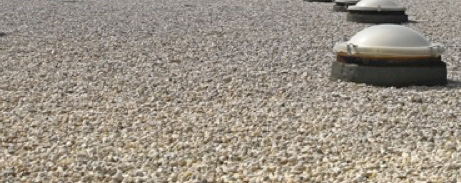
Ballasted PVC roofing systems are great for flat roofs, especially in commercial buildings. They withstand extreme weather, using heavy ballast like concrete pavers or stones to secure the membrane. Their quick installation and low maintenance needs are also an advantage. However, make sure your building can handle the extra weight and that the roof slope is right. If you're curious about how they perform in different climates or potential issues to watch out for, keep reading.
Key Takeaways
- Ballasted PVC roofing is ideal for flat roofs with slopes of 2% or less, providing effective drainage and stability.
- This system offers excellent wind uplift resistance, making it suitable for areas with high wind exposure.
- The heavy ballast protects the PVC membrane from UV damage and physical wear, enhancing durability.
- Quick and cost-effective installation is possible without adhesives, which is beneficial for budget-conscious projects.
- Regular maintenance and inspections ensure long-term performance, addressing common issues like debris and drainage blockages.
What Is a Ballasted PVC Roofing System?
A ballasted PVC roofing system is a robust solution for flat roofs, especially in commercial buildings. It features a flexible polyvinyl chloride roofing membrane laid loosely over the roof substrate. This membrane is held in place by heavy ballast, like concrete pavers or stones, which helps resist wind uplift.
Ballasted systems are particularly effective on roofs with slopes of 2% or less, providing excellent stability without adhesives or mechanical fasteners. The ballast typically weighs between 1,000 to 1,300 pounds per 100 square feet, ensuring it counters wind forces while allowing for usable outdoor spaces.
These roofs are resilient against extreme weather and support energy efficiency by reflecting sunlight, making them a practical choice for various climates.
Key Benefits of Choosing Ballasted PVC Roofing
Choosing ballasted PVC roofing systems offers numerous advantages, especially for commercial buildings.
These systems utilise ballast to enhance stability, making them a smart choice for low-slope roofs. Here are some key benefits of ballasted roofing:
-
Excellent wind uplift resistance: The added weight of 40-60 kg/m² helps secure the roof against high winds.
-
Quick and cost-effective installation: No adhesives are required, which cuts down on labour time and material expenses.
-
Protection for the roof membrane: Ballast, like concrete pavers, shields the PVC membrane from UV degradation and physical damage.
-
Simplified maintenance: Repairs can be made without disturbing the entire system, allowing easy access to the underlying membranes.
With these benefits, ballasted PVC roofing is a reliable option for various climates.
Ideal Conditions for Ballasted PVC Roof Installation
When considering ballasted PVC roofing systems, it’s vital to assess the ideal conditions for installation to confirm peak performance.
These systems work best on flat roofs with slopes of 2% or less, guaranteeing effective drainage and stability under the ballast weight. You’ll need to verify that your structure can handle the added load of 40-60 kg/m² from the ballast, assuring safety and compliance with local building codes.
Installing a ballasted roof in areas with high wind exposure is advantageous; the weight of the ballast notably enhances wind uplift resistance. Additionally, in climates with frequent rainfall, these systems help prevent water pooling by maintaining proper drainage pathways.
Regular maintenance checks are fundamental to secure the long-term integrity and stability of your roofing system.
Understanding Structural Requirements for Ballasted PVC Roofing
Installing a ballasted PVC roofing system requires a solid understanding of structural requirements to guarantee safety and performance.
Before you begin, assess the structural deck to verify it can handle the additional weight of 40-60 kg/m² that the ballast adds.
Remember to take into account the following:
- The roof slope shouldn't exceed 2% for ballast stability.
- Comply with local building codes and British Standards to manage winter snow loads.
- Inspect the existing roof structure for any signs of deterioration.
- Implement effective drainage design to prevent water pooling, ensuring the ballast doesn't compromise drainage slopes.
These considerations are essential to make sure your ballasted PVC roofing system not only performs well but also maintains the integrity of your building.
How Ballasted PVC Roofing Performs in UK Weather?
Ballasted PVC roofing systems excel in UK weather conditions due to their ability to withstand wind uplift forces and manage heavy rainfall effectively.
By utilising ballast materials that add 40-60 kg/m², these roofing systems secure stability even in challenging weather. The British Standards BS EN 1991-1-4 helps guide wind load calculations, taking into account local conditions and surrounding structures.
An effective drainage design is vital to prevent water pooling from frequent rain, which could compromise the system's integrity. Regular inspections and maintenance are essential for clearing debris from drainage pathways, securing proper water flow.
Before installation, a thorough assessment of structural load capacity is necessary to assure safety under the added weight of the ballast.
Installation Process for Ballasted PVC Roofing Systems
To guarantee a successful installation of ballasted PVC roofing systems, you'll first want to lay the PVC membrane directly over the roof substrate without using adhesives.
Secure the membrane in place with ballast materials like concrete pavers or large aggregates. Follow these key steps during the installation process:
- Verify proper placement of insulation above the waterproofing membrane for peak thermal performance.
- Use ballast weighing between 40-60 kg/m² to effectively counteract wind uplift forces.
- Incorporate an effective drainage design to prevent water pooling on your flat roofing system.
- Conduct regular inspections post-installation to maintain ballast stability and clear debris.
Maintenance Tips to Ensure Longevity of Ballasted PVC Roofs
While maintaining your ballasted PVC roof may seem challenging, regular upkeep is vital for guaranteeing its longevity and performance.
Start by conducting regular inspections to check for debris on the ballast and drainage systems. Blocked drains can lead to water pooling, increasing the risk of leaks.
Make sure to carefully remove and replace ballast during repairs to maintain the integrity of the waterproofing membrane. Routine checks for any damage or displacement in the ballast are significant, as this affects wind uplift resistance.
Additionally, verify your drainage design meets British Standards to prevent moisture infiltration.
Finally, assess the structural load capacity periodically, especially after severe weather, to confirm your roof can support the ballast and any snow accumulation.
Pros and Cons of Ballasted PVC Roofing vs. Alternative Systems
When comparing ballasted PVC roofing systems to alternative options, it's important to weigh their unique advantages and drawbacks.
-
Wind Resistance: Ballasted PVC roofing offers superior wind uplift resistance due to its weight.
-
Installation: Unlike fully adhered systems, ballasted roofs are quicker and more cost-effective to install without adhesives.
-
Usable Space: The loose-laid design allows for outdoor areas like terraces, while fully adhered systems restrict access.
-
Maintenance Challenges: Repairs can be labour-intensive, as removing ballast is often necessary, unlike the easier access provided by fully adhered roofs.
Common Issues With Ballasted PVC Roofing
Many building owners appreciate the advantages of ballasted PVC roofing systems, but they also face common issues that can complicate maintenance and longevity. Key concerns include leak repairs, structural load requirements, and water management. Here’s a quick overview of these issues:
| Issue | Description | Impact on Roofing |
|---|---|---|
| Leak Repairs | Requires removing ballast, risking membrane damage | Increased repair costs |
| Structural Load Capacity | Must support 40-60 kg/m²; inadequate assessment risks safety | Potential roof failure |
| Water Management | Poor drainage can lead to pooling and leaks | Compromised insulation |
| Wind Uplift Resistance | Improper ballast placement can cause vulnerabilities | Damage during storms |
Regular inspections and maintenance are essential to address these concerns and guarantee your ballasted PVC roofing systems perform effectively.
When to Choose Other Roofing Systems Over Ballasted PVC
Choosing the right roofing system depends on various factors, such as the building's design, location, and structural capacity.
If you’re considering alternatives to ballasted PVC, here are some scenarios where other systems may be preferable:
-
Complex roof shapes: Fully adhered systems offer a seamless finish and better aesthetics.
-
Tight project timelines: Mechanically attached systems allow for quicker installation with less weather dependency.
-
High wind uplift risks: In areas prone to strong winds, fully adhered or mechanically attached roofs provide better stability.
-
Insufficient load capacity: If your building can’t support the weight of ballast, lighter options like fully adhered systems are essential for safety.
Evaluating these factors will help you make an informed decision for your roofing needs.
Roundign Up
In choosing a ballasted solution for your single ply PVC roof covering , you're not just opting for durability and efficiency; you're investing in the long-term protection of your building. While these roofs excel in various conditions, remember that regular maintenance is key to their success. The real truth lies in understanding that even the best systems require care and attention. By being proactive, you can enhance the lifespan of your roof, ensuring it serves you well through all seasons and weather challenges.