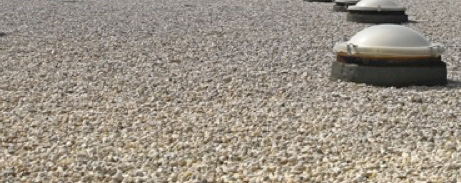
You'll find that ballasted PVC membrane systems are highly suitable for UK weather conditions when properly designed and installed. They effectively resist Britain's challenging wind uplift forces while managing frequent rainfall and temperature fluctuations. The ballast weight counteracts wind pressures, and the system's compatibility with various insulation materials maintains excellent thermal performance. However, you'll need careful consideration of structural load capacity, drainage requirements, and compliance with British Standards to guarantee peak performance in your specific climate zone.
Key Points
- Ballasted PVC systems effectively resist wind uplift forces typical in UK weather when properly weighted to British Standards.
- Systems require careful structural assessment as ballast adds 40-60 kg/m² plus potential snow loads during winter months.
- Effective drainage design prevents water pooling during heavy UK rainfall while maintaining ballast stability on low slopes.
- Regular maintenance ensures ballast positioning remains intact after storms and prevents debris accumulation in drainage systems.
- Installation suits UK commercial buildings when roof slopes stay below 2% and structural capacity supports additional weight.
Understanding Ballasted PVC Membrane Systems and Their Components
Ballasted PVC membrane systems offer a straightforward roofing solution that's gained significant traction across UK commercial buildings.
You'll find these systems work by laying PVC membranes directly over your roof substrate, then securing them with ballast materials like gravel or pavers instead of adhesives or mechanical fasteners.
This flat roofing approach relies on weight to counteract wind uplift forces, making ballast selection essential for your installation's success.
You can pair ballasted systems with various insulation materials while maintaining excellent thermal performance. The PVC membranes resist UV radiation and weathering effectively.
What makes these systems particularly appealing is their maintenance accessibility – you can easily repair sections without disturbing the entire roof.
The installation process eliminates flame application and adhesive use, reducing fire hazards during unpredictable UK weather conditions.
UK Weather Challenges and Wind Load Considerations for Ballasted Systems
While ballasted PV systems offer numerous advantages, you'll face unique challenges when installing them across the UK's varied climate zones. British Standards BS EN 1991-1-4 guides your wind load calculations, making local assessment vital for determining system effectiveness.
You must consider how your roof's slope, height, and surrounding structures create varying wind pressures that affect ballasted systems performance.
Weather conditions in the UK present specific vulnerabilities you can't ignore. Wind-driven rain and debris displacement during severe storms threaten system integrity.
Your installation requires careful planning to address these risks. Regular maintenance becomes essential as you'll need to guarantee ballast materials remain positioned correctly and prevent water ponding.
The UK's wet climate demands vigilant monitoring to maintain membrane performance and prevent debris accumulation that could compromise your system.
Drainage Requirements and Water Management in British Climate Conditions
Proper drainage design becomes your most critical consideration when installing ballasted PVC membrane systems in Britain's wet climate.
You'll need to establish effective water management pathways to prevent pooling on flat roofs, as the UK's frequent rainfall creates significant accumulation risks. Your drainage requirements must account for heavy downpours and prolonged wet conditions typical of British weather patterns.
You should guarantee ballast weight doesn't compromise drainage slopes while maintaining adequate wind uplift resistance.
Regular inspections become essential - you'll need to clear debris from drainage systems to maintain peak function. Compliance with British Standards for water management isn't optional; it's necessary to mitigate leak risks.
Without proper drainage planning, your ballasted system won't perform effectively in the UK's challenging climate conditions.
Structural Load Capacity and Building Suitability Assessment
Before installing any ballasted PVC membrane system, you must conduct a thorough structural load capacity assessment to verify your roof can safely support the additional weight. The ballast typically adds 40-60 kg/m² to your roof's load, requiring careful evaluation of your building's existing structural integrity.
Your building suitability assessment should account for local building codes and winter snow accumulation, which increases load requirements considerably.
You'll need to ascertain your roof slope doesn't exceed 2%, as steeper angles cause ballast displacement during storms.
You must examine your roof structure for deterioration signs that could compromise safety under additional weight.
Wind load calculations following British Standards are essential to prevent membrane uplift during the UK's frequent high winds.
Performance Comparison With Alternative PVC Installation Methods
When evaluating PVC membrane installation methods for UK conditions, ballasted systems offer distinct advantages over fully adhered and mechanically fastened alternatives.
You'll find ballasted PVC systems particularly effective against wind uplift forces that characterize British weather patterns.
Key performance comparisons include:
- Wind resistance - Ballasted systems use 80 kg/m² minimum weight to secure membranes, outperforming mechanically fastened options in high winds.
- Maintenance accessibility - You can dismantle ballasted installations without damaging roof structure, unlike fully adhered systems.
- Drainage efficiency - Ballast assists water direction on flat roofs, enhancing performance over alternative methods.
- Thermal optimisation - Ballasted systems allow better insulation integration while preventing moisture accumulation.
These advantages make ballasted installations superior for UK's demanding climate conditions.
Rounding Up
You'll find ballasted PVC roof membrane systems can work in UK conditions, but they're not always your best choice. You'll need to carefully assess your building's structural capacity for the added weight and guarantee adequate wind uplift resistance for Britain's challenging weather. You'll also want to verify proper drainage design for heavy rainfall. Consider mechanically-fastened or fully-adhered alternatives if you're dealing with high wind exposure or structural limitations.