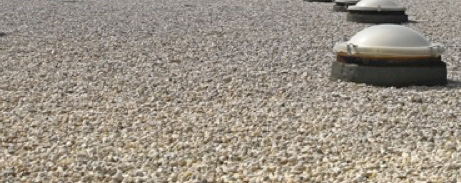
Liquid applied membrane (LAM) systems have become one of the most popular choices for flat and low-slope roofing in the UK - and for good reason. When correctly specified and installed, a polyurethane LAM system can deliver a seamless, fully waterproof coating with a service life of 25 years or more. They handle complex detailing with ease, work over a broad range of substrates, and eliminate the need to strip back existing roofing materials in most refurbishment scenarios.
But here is the problem: a significant number of LAM failures in the field come down to one step that is either skipped entirely, or done incorrectly. Not the membrane application itself. Not the reinforcement layer. The primer.
Despite being the foundation on which every subsequent layer depends, priming remains the most commonly misunderstood - and most frequently skipped - part of the entire installation process. This article explains what primer actually does, why getting it wrong is far more costly than getting it right, and how to approach priming correctly across the substrates you are most likely to encounter on site.
What a Primer Actually Does and Why It Matters More Than You Think
To understand why primer is so important, it helps to understand what happens at the interface between a liquid applied membrane and the substrate beneath it.
A membrane cures through a moisture-triggered chemical reaction. As it cures, it needs to form a reliable bond with the surface below. On an unprepared or porous substrate, that does not happen cleanly. Instead of curing into a firmly bonded layer, the membrane may cure unevenly, bridge over surface voids, or - in the worst case - delaminate under thermal movement or water ingress.
A primer addresses this at a fundamental level. It penetrates into the substrate, sealing the surface and reducing its porosity. This controls the rate at which moisture is drawn away from the membrane during cure, preventing premature or uneven bonding. At the same time, the liquid roof membrane primer creates a chemically receptive surface -one that the membrane can properly key into and form a lasting adhesive bond with.
Different substrates present different challenges, which is why primers are formulated specifically for the surfaces they are designed to work with. A primer that performs excellently on concrete may be entirely ineffective on a PVC membrane, and vice versa. This is not a matter of preference - it is a matter of chemistry.

The Real Cost of Skipping Primer
There is a persistent temptation on site to skip the primer, or to substitute a product that is cheaper or more readily available. The reasoning is understandable: primer adds time to the job, it is one more product to source and transport, and on a tight schedule it can feel like a step that could be absorbed without consequence.
It cannot.
The consequences of incorrect or absent priming tend not to show up immediately. A membrane may appear to have bonded well at the time of installation. But as the roof is subjected to thermal cycling - expanding and contracting with temperature changes through the seasons - any weakness in the bond between membrane and substrate will be progressively stressed. Within one to three years, delamination, blistering, or localised failure can develop, particularly around upstands, details, and penetrations where movement stress is highest.
At that point, the cost of rectification far outweighs what was saved by skipping the primer. Remediation typically requires stripping back the failed membrane, re-preparing the substrate, and re-applying the full system. On a commercial or industrial roof, this can run to many thousands of pounds, and that is before accounting for any water ingress damage to the structure or interior below.
There is also the warranty to consider. Most LAM system warranties are issued on the basis that all specified components - including the primer - have been used correctly. A manufacturer investigating a warranty claim will look closely at whether the primer was applied, which product was used, and whether it was appropriate for the substrate. Using an unspecified or substitute primer is likely to void the warranty entirely, leaving the contractor or specifier to bear the full cost of remediation.
The cost of a primer is a fraction of one per cent of a typical roofing project. The cost of a failed bond is not.
Before the Primer: Surface Preparation
One aspect the industry rarely discusses in enough depth is what needs to happen before the primer goes down. Even the most technically appropriate primer will underperform - or fail - if applied to an inadequately prepared surface.
Cleanliness is the most basic requirement. Substrates must be free from dust, dirt, oil, grease, biological growth, and any other contamination. Contaminated surfaces prevent the primer from penetrating and bonding effectively, regardless of how technically well-matched the product is.
Moisture is the most commonly underestimated factor. Damp substrates are a problem for most primer chemistries. Some formulations can tolerate residual moisture; others cannot. Always check the product technical data sheet for minimum substrate dryness requirements, and - where there is any doubt - use a moisture meter before proceeding.
Structural integrity matters because primer cannot compensate for a substrate that is failing. Friable surfaces, delaminating screeds, loose aggregate, or crumbling concrete will not hold a primer bond. Repairs must be completed and fully cured before priming begins.
Laitance - the weak layer of fine particles that forms on the surface of concrete as it cures - must be removed before priming. Laitance looks like solid concrete but is poorly bonded to the substrate beneath and will allow the entire system above it to fail. Mechanical preparation (grinding, blasting, or scarifying) is the only reliable way to remove it.
Where any doubt exists about surface compatibility, a peel-strength adhesion test should be carried out on a representative area before full-scale priming begins. This is best practice regardless of substrate type.
Substrate-by-Substrate Guide to Primer Selection
The following covers the most common substrates encountered in LAM roofing projects and the key considerations for each.
Concrete and Screed
Concrete is among the most challenging substrates for liquid applied membranes due to its high porosity. Without a primer, the membrane may cure before adequate penetration and bonding can occur, resulting in a weak adhesive interface. Concrete primers are typically solvent-based or water-based formulations designed to penetrate deeply and consolidate the surface.
New concrete should be allowed to cure fully - typically a minimum of 28 days -before priming. Aged or weathered concrete may have developed surface contamination, laitance, or carbonation, all of which require mechanical preparation. Screeds follow broadly similar principles but tend to be softer and more absorbent; coverage rates should be adjusted accordingly, and multiple primer coats may be required on highly porous screeds.
Asphalt and Felt (Built-Up Roofing / RBM)
Existing bituminous substrates - including asphalt and felt or reinforced bitumen membrane (RBM) roofing - are commonly encountered on refurbishment projects. The challenge here is that these surfaces can be oxidised, contaminated with surface dressings (chippings, solar reflective coating), or have areas of delamination that need to be addressed before priming.
Primers for bituminous substrates are formulated to bond to the variable surface chemistry of aged asphalt and felt, creating a stable platform for the LAM. Surface dressings should be removed or encapsulated as appropriate before priming.
PVC Single-Ply Membranes
PVC membranes contain plasticisers - chemical additives that keep the material flexible. These plasticisers can migrate to the surface over time and cause adhesion problems for liquid coatings applied on top. Standard primers are not resistant to plasticiser migration and will fail on PVC.
Primers for PVC substrates are specifically formulated to resist plasticiser interference, allowing reliable adhesion between the existing membrane and the new LAM. These products tend to be fast-drying, which helps keep project timelines on track. Using the correct PVC primer opens up the ability to overlay rather than replace - a significant cost and time saving on refurbishment projects.
EPDM Single-Ply Membranes
Like PVC, these single-ply membranes present specific surface chemistry challenges. EPDM in particular has a naturally low surface energy, which means liquid coatings struggle to wet out and bond to it without prior surface treatment. Specialist primers or surface activation treatments are required, and compatibility should always be confirmed with the membrane manufacturer before proceeding.
Metal (Ferrous and Non-Ferrous)
Metal substrates - including steel decking, aluminium copings, and lead or zinc flashings - present challenges that include thermal movement, surface oxidation, and the presence of corrosion inhibitors or treatments applied during manufacture.
Two-part epoxy metal primers offer strong adhesion to a wide range of metallic substrates and are resistant to the stresses of thermal movement. They are particularly useful where surface preparation has been limited by site conditions, or where some corrosion is present. For roofing projects with complex interface details - penetrations, upstands, gutters - a good metal primer is often what makes the difference between a durable detail and a future leak.
Plywood and OSB
Timber-based decking materials such as plywood and OSB are relatively straightforward substrates for liquid applied roof coatings, but moisture management is critical. These materials are highly susceptible to movement as moisture content changes, and any primer must be fully compatible with potential timber movement.
Priming also seals the surface against resin bleed-through, which can affect membrane cure on some timber species and board types. Ensure the board is dry and structurally sound before priming -any delamination or swelling in the board itself will compromise the system above.
Application Best Practice
Even with the right primer selected, incorrect application can negate its benefits.
Coverage rate is one of the most critical variables. Under-application -spreading the primer too thinly to extend coverage - means the substrate is not fully sealed, and the primer film may be too thin to provide a reliable bond. Always apply at the manufacturer's specified rate. On highly porous substrates, a second coat may be necessary.
Overcoating window is equally important. Every primer has a minimum and maximum overcoating time - the window within which the LAM basecoat must be applied. Apply the membrane too soon and the primer will not have achieved sufficient cure for a good bond. Leave it too long and the primer surface may have absorbed contamination, become over-cured, or lost its tack. Check the technical data sheet for the specific product being used.
Temperature affects both primer cure rate and the tack window. In cold conditions, primers cure more slowly, extending the overcoating window but also increasing the risk of contamination during the wait. In warm conditions, cure accelerates - on a hot summer day, the overcoating window on a fast-drying primer can be surprisingly short. Always factor ambient temperature into your application schedule.
Do not dilute primer. Thinning primer to improve workability or extend coverage is a common field shortcut that compromises both the sealing properties and the bonded film thickness. If primer is proving difficult to apply, check whether the product temperature is too low -warming the product to the recommended application temperature is the correct solution.
Common Mistakes — and How to Avoid Them
Using a primer from a different manufacturer than the membrane system. Even if the primer type appears technically similar, it has not been tested as part of the system being installed. Compatibility cannot be assumed, and using an unspecified primer is likely to affect the system warranty. Always use the primer specified by the membrane system manufacturer.
Applying primer to a damp or contaminated substrate. This is the single most common cause of primer bond failure in the field. If in doubt, wait. A moisture meter and a clean surface are cheap insurance against a failed system.
Skipping the peel-strength test on unfamiliar substrates. On any substrate where there is uncertainty about condition, surface treatment, or compatibility, a small test area with a peel-strength assessment takes less than an hour and can prevent a full-scale application failure.
Ignoring the overcoating window. Particularly on large roof areas, it is easy to prime the whole deck and then find that by the time the membrane application begins, the first areas primed have exceeded their overcoating window. Plan the sequence of work so that primer and membrane application proceed in a coordinated way.
Assuming primer is optional on "easy" substrates. New plywood or clean screed may appear to offer good adhesion without priming. In practice, the performance difference -particularly over a 20+ year service life- is significant. Primer is a specified component of the system for a reason.
Getting It Right the First Time
The economics of priming are straightforward. A litre of primer treats several square metres of substrate and adds a modest amount to the project cost. A failed membrane installation on a commercial roof - with remediation, potential structural repairs, and warranty disputes -can easily cost thirty to fifty times the value of the original primer budget.
For contractors, using the specified primer correctly also provides protection. It demonstrates that the installation was carried out in accordance with the manufacturer's requirements, which is the strongest possible defence against a warranty or liability dispute further down the line.
For specifiers and building owners, insisting on correct primer use - and requiring it to be evidenced as part of the project sign-off process- is one of the most cost-effective quality assurance steps available on any waterproofing project.
The primer is not a preliminary. It is the foundation on which everything else depends.